

### Blog Post:
Pet sofa shoppers face a real dilemma: It’s tough to balance true pet comfort and orthopedic support with home style and long-term low-maintenance. Whether you have a small dog or indoor cat, the right pick will blend as real furniture and solve issues that most pet owners never see coming.
Key Takeaways
- Great pet sofas solve three core problems: fit, real durability/cleaning, and orthopedic support—while still looking like designer furniture.
- Buyers must measure carefully, scrutinize foam specs, and look for removable, protective covers to truly minimize mess, odor, and fabric wear.
- Matching your pet sofa’s color, fabric, and shape to your living room elevates both your decor and your pet’s daily comfort. Performance materials matter.
- Why choose a pet sofa that looks like furniture?
- Step-by-step: how to size and pick your pet sofa
- Advanced analysis & common pitfalls
- Conclusion & recommended checklist
- FAQs buyers actually ask
Why choose a pet sofa that looks like furniture?
Today’s urban and design-forward pet owners want more than a basic pet bed or utilitarian platform. They look for a pet sofa or cat sofa that seamlessly blends with grown-up interiors, but also provides functional support and durability for their animal companions. The dual need is clear: pet furniture for small dogs or cats must fit right in with the aesthetic of living rooms—while offering serious comfort and orthopedic support. Search demand shows most buyers now want elevated, mini-furniture looks, not shaggy, brightly colored dog beds that stand out or clash with home decor (see research).
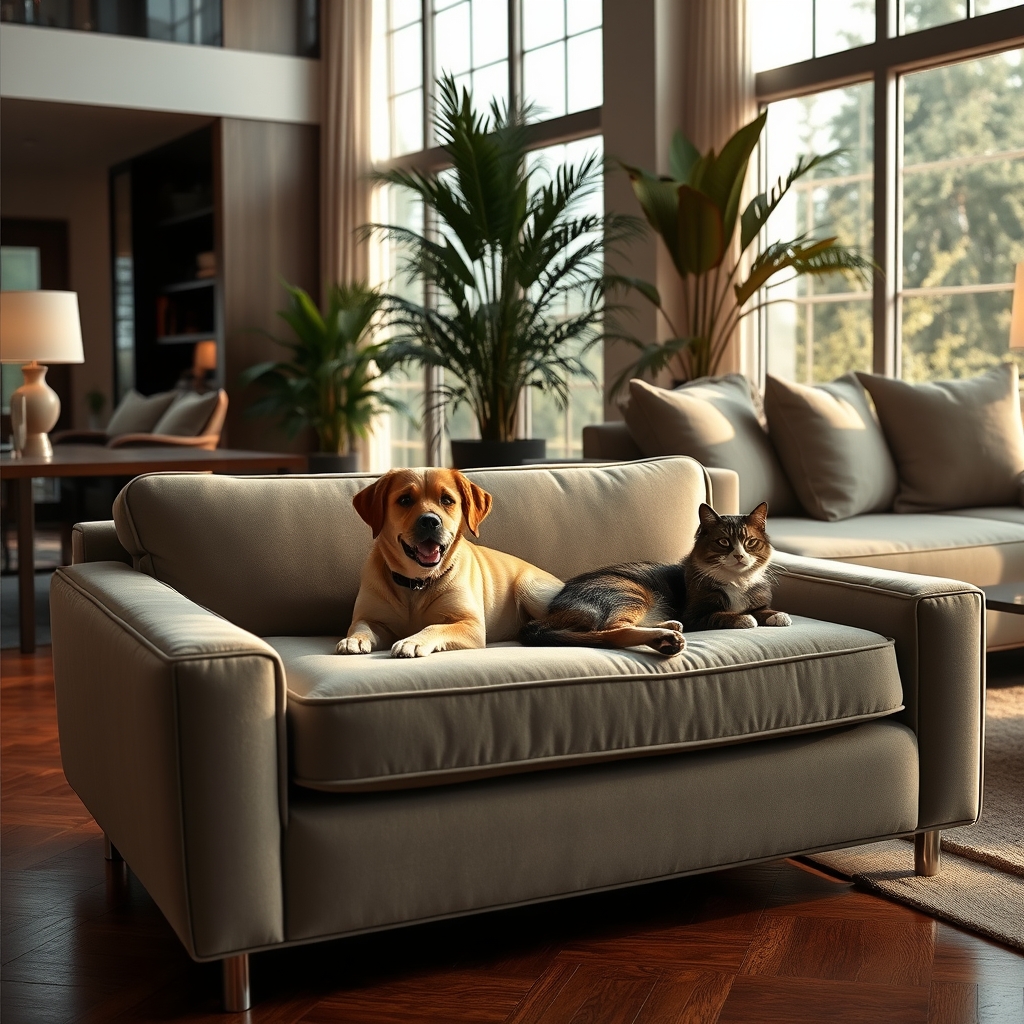
In 2024, the most popular picks are structured, neutral-toned “mini-couch” sofas—designs that echo human seating but scaled for pets. The best marry style with practical features like memory or HR foam for orthopedic support, machine-washable slipcovers, anti-slip bottoms, and sustainable or stain-proof materials. For many, it’s a lifelong upgrade from frumpy, easily destroyed pet beds—and feels worth every penny for the home’s look and cleanliness.
Step-by-step: how to size and pick your pet sofa
Getting a pet sofa that actually fits your cat or dog—and fits your space—requires more than an eye test. Here’s how to measure, evaluate specs, and avoid the most common letdowns.
1. Measure Your Pet and Round Up
- Sleeping length (nose to base of tail): Lay your pet in their favorite sleep pose—Measure Your Pet nose to haunch/tail base (not the tail tip).
- Add for stretch & bolsters: If your sofa features raised sides, add at least 3–6 inches to the measured length, since bolsters reduce usable space.
- Width and curl: For circular sleepers, measure your pet curled up, and add at least 2–4 inches in all directions.
Most product size guides (like the common 24″ x 19″) are calculated for one small pet. If you want to fit two (kittens, bonded small dogs), typically size up by at least 20%.
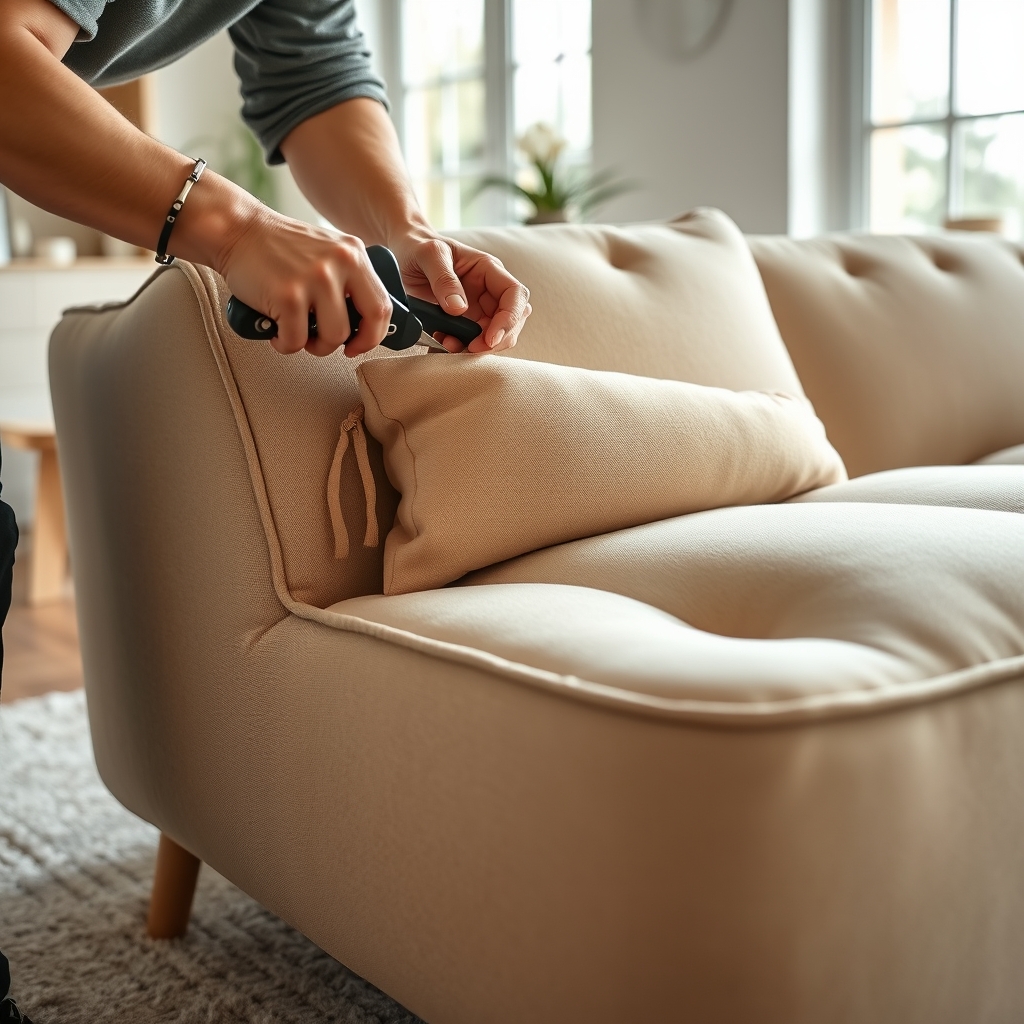
2. Practical Sizing Chart
| Pet Type | Example Size | Ideal Sofa Size (minimum) | Pro Tip |
|---|---|---|---|
| Cat / Mini Dog (5–12 lbs) | 11–17” | 20–24” Length | Choose >4” bolster for chin rest |
| Small Dog (13–25 lbs) | 18–22” | 26–31” Length | Round up for stretchers/bolsters |
| Medium Dog (26–45 lbs) | 23–27” | 32–38” Length | Weight limit becomes critical |
3. Scrutinize Technical Specs
- Foam density & thickness: Orthopedic pet sofas should use at least 2–5 lb/ft³ density memory or HR foam for real spinal support. Cheaper egg-crate or shredded poly-foam offers less long-term support, especially for aging pets (source).
- Cover and liner: Look for tightly woven, machine-washable covers (polyester-sherpa, plush faux fur, Crypton, or recycled performance knits). Hidden-zip or dual-lock zippers are easier and last longer.
- Anti-slip base: Required if you have hard floors or active pets—it prevents movement and accidents.
- Waterproof liner: Stops stains, odors, and fur from seeping into the cushion (the most-cited long-term owner complaint).
- Check weight ratings: Never assume—if your pet is near the upper weight for a sofa, round up or get a thicker/denser foam option.
4. Cleaning and Durability Features
- Removable covers (with hidden zippers, protected seams)
- Performance fabrics (Crypton, leather-look, recycled textiles)
- Machine-washable and/or wipeable surfaces
- Deep foam core cleaning options
If in doubt about fabric durability with claws, see our guide to pet-proof boucle chairs.
5. Design Integration: Looks That Feel Like Furniture
Pet sofas should match your living room with neutral palettes (cream, taupe, grey, moss), structured mini-sofa shapes, and material choices inspired by real furniture. Hidden legs, clean platform bases, or shapely modern curves (like curved sofas) read most like human furniture. Choose covers in robust, easy-clean textiles or eco-friendly recycled blends if you want both longevity and visual calm (see guidance).
Advanced analysis & common pitfalls
Here’s where most competitor guides miss the mark—realistic problems owners face, and a frank look at three under-covered factors that matter in everyday life:
| Complaint | Root Cause | How to Avoid |
|---|---|---|
| Too Small for Pet | Listed size is exterior, bolsters “steal” internal space | Subtract bolster width from product size; always round up |
| Hard to Remove, Clean Covers | Cheap/weak zippers, poorly placed or unprotected seams | Demand hidden, reinforced, full-length zippers, waterproof liner |
| Fabric Wears/Scratches Fast | Low-grade plush, faux fur or knits pill/snag easily | Stick with performance fabrics (Crypton) or recycled knits |
| Fur, Stain, Odor Penetrates Cushion | No waterproof liner or only single-layer foam | Check for active waterproof barriers; dual-foam core is ideal |
| Slips on Floor | No anti-slip bottom or too light for pet size | Confirm anti-slip base and matched rating for weight |
| “Orthopedic” in Name Only | Low-density or “egg crate” foam collapses quickly, little support | Verify foam density (2–5 lb/ft³) and real thickness (≥3″) |
What top reviewers wish they’d known before buying
- Sizing: Most negative pet sofa reviews in 2024 cite beds being at least 2–3 inches smaller inside than the headline size, especially with thick bolsters (source).
- Zipper placement: Designs that make you squeeze, twist, or peel foam through tiny zipper openings quickly kill the experience and shorten product life.
- Foam and support: “Orthopedic” is used generously. True support requires at least 2–5 lb/ft³ foam, ideally with certifications (CertiPUR-US, etc.). Check weight limits against actual pet weight. For heavy chewers, avoid beds with mesh panels or exposed foam seams.
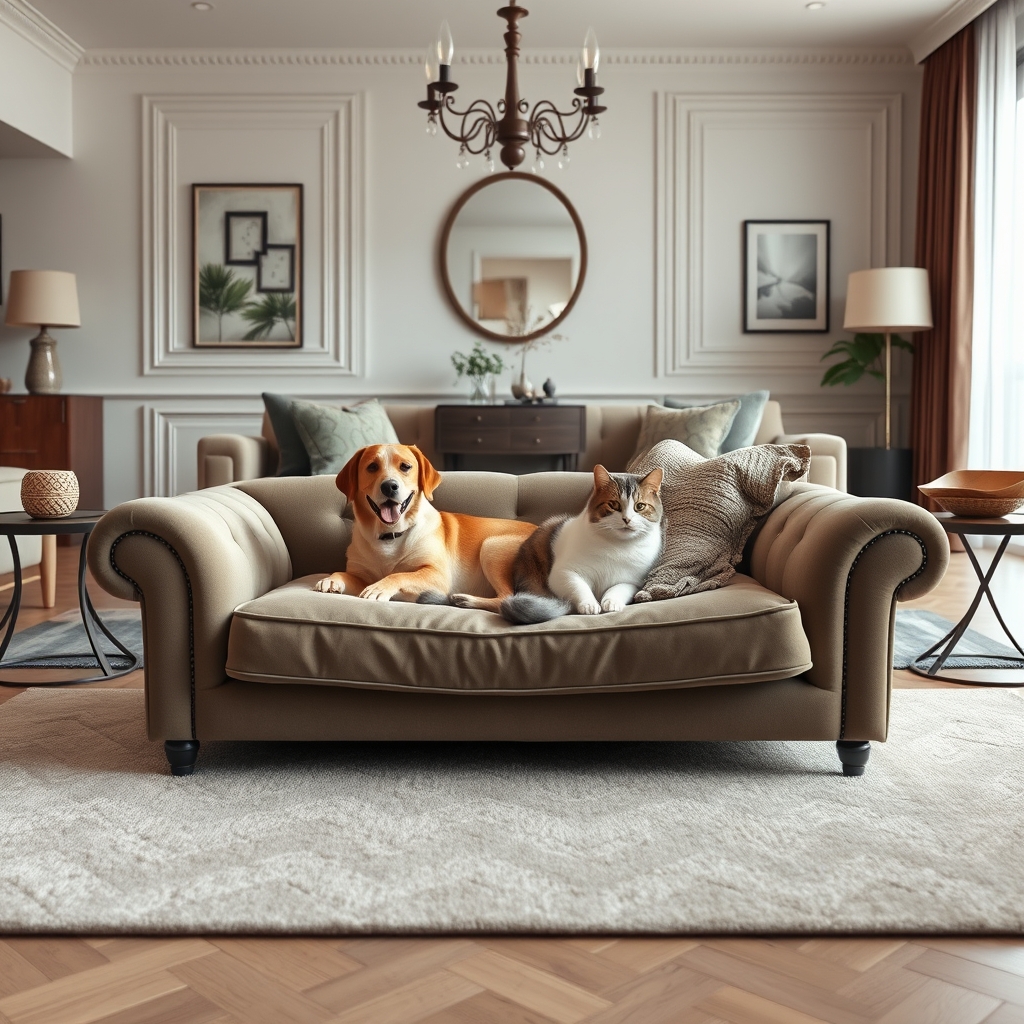
Quick Comparison Table: Pet Sofa Types
| Type | Best For | Pros | Cons | Typical Foam/Fabric |
|---|---|---|---|---|
| Faux-Furniture Sofa | Design-conscious pet, light use | Elevates decor, mimics real sofa, easy to style | May lack deep orthopedic support | Shredded foam, plush or velvet, wood/faux legs |
| Orthopedic Foam Sofa | Aging pets, joint issues, long naps | Real support, high foam density, often machine-washable | Chunky looks, less “human” furniture feel | Memory/HR foam (2–5 lb/ft³), performance cover or faux fur |
| Hybrid Washable | All-rounders, accidents/odors likely | Removable covers, waterproof liners, decent style | May compromise slightly on both looks and support | Polyfoam + memory insert; polyester-sherpa or “performance knit” cover |
Conclusion & recommended checklist
To get real value and satisfaction from your pet sofa purchase, aim for three core wins: right size, right foam, right cleaning. Combine style with the following must-have features for best results:
- External size AND true internal measurements match your pet’s sleep style—with extra inches for bolsters and stretchers.
- Orthopedic foam is 2–5 lb/ft³ in density and 2.5–4 inches thick, with a stated weight limit that exceeds your pet’s actual weight.
- Removable, machine-washable cover PLUS an inner waterproof liner for true cleaning power.
- Performance fabric or sustainable recycled material for a “human” furniture look and pet-proof wear rate.
- Anti-slip bottom and at least a 1-year warranty or return policy.
Well-designed orthopedic pet sofas offer both comfort and peace of mind, and save you time, cleaning, and stress—while blending with modern interiors. Measure right, scrutinize specs, and don’t settle for any model that isn’t easy to clean or doesn’t match your real living room aesthetic.
Ready to refresh your home for both you and your pet? Review the features above and upgrade to a pet sofa that truly fits your life—your future self will thank you!
FAQs buyers actually ask
How much bigger should my pet sofa be compared to my pet?
Add at least 3–6 inches to your pet’s body length for stretch and bolsters. If your pet sprawls or likes to share, round up one size bracket for comfort. Never buy based on weight alone—measured fit always trumps listed “breed size.”
Does “orthopedic” mean it’s always memory foam?
Not always. Some “orthopedic pet sofas” use low-density foam or egg-crate polyfoam that wears out faster. True orthopedic support usually requires 2–5 lb/ft³ memory foam or dense HR foam. Ask for foam certifications if possible.
Can I put the foam core in the washing machine?
No—only the outer cover should go in the machine. The foam core typically needs spot cleaning, vacuuming, or hand washing. Wet foam takes days to dry and can grow mold if not treated carefully.
What’s the best fabric for a cat bed that looks like furniture?
Performance fabrics like Crypton, recycled knits, or structured, thick-woven textiles resist snags, stains, and pet hair best. Avoid loose, low-pile plush or velvet if your cat loves to scratch or shed heavily.
How do I know if the weight limit is accurate?
Foam density matters—2–5 lb/ft³ handles daily use much better and is found in the best orthopedic pet sofas. Always confirm your pet’s weight is below the posted maximum and that the brand provides a real warranty.