

### Blog Post:
dog dental chews are more than just treats—they are a frontline defense against plaque, tartar, and bad breath, but not all are created equal. Here’s what you need to know before you subscribe or stock up in bulk in 2024.
Key Takeaways
- Peer-reviewed trials show some natural, grain-free dog dental chews can reduce plaque by up to 45% and tartar by nearly 80% in as little as four weeks, but risks like dental fractures and choking remain if the wrong product or size is chosen.
- Look for VOHC seals, ingredient transparency, and a step-by-step home trial before committing to subscriptions or buying in bulk, especially for dogs with allergies or weight concerns.
- Practical testing—baseline monitoring, short trial periods, and close observation—will reveal how a chew impacts your individual dog’s oral health and safety.
- Quick verdict — what actually reduces plaque and bad breath in 2024
- How dental chews work (mechanical vs enzymatic vs brushless/toothpaste‑fortified)
- The evidence for natural and grain-free dental chews
- Vet-recommended brands — what the clinical record and users say
- Common consumer complaints & safety signals to watch
- Interpreting the VOHC seal and clinical claims
- Practical buying checklist for subscription or bulk purchases
- How to trial a chew safely (step-by-step)
- Special populations — allergies, small/giant breeds, dogs with existing dental disease
- Pricing, calories, and subscription math for bulk buyers
- Questions most articles are missing — areas to ask manufacturers and vets
- Short recommendations & next steps (what to try first)
- FAQ
Quick verdict — what actually reduces plaque and bad breath in 2024
Recent clinical trials provide clear evidence that not all dog dental chews offer the same benefits. Ark Naturals Protection+ brushless center Toothpaste Dental Chews were shown in a 40-dog, diet-controlled trial to achieve a 15.2% reduction in plaque and a 78.4% drop in tartar over four weeks. In a separate peer-reviewed study, grain-free dental chews—including Dr. Lyon’s and Bocce’s plant-based chews—delivered statistically significant decreases in halitosis and a 30-45% reduction in plaque, also after a four-week, twice-daily regimen. If you are shopping for dog dental chews for bad breath, these are the ranges you should expect from clinically supported products.

How dental chews work (mechanical vs enzymatic vs brushless/toothpaste‑fortified)
All daily dental chews for dogs work via one or more mechanisms:
- Mechanical Chews: Texture, ridges, and shape physically scrub away plaque and tartar as the dog chews—best for dogs that enjoy chewing for longer periods.
- Enzymatic/Chemical Chews: Use enzymes or compounds to disrupt the bacterial biofilm, reducing new plaque even for less avid chewers.
- Brushless/Toothpaste-Fortified Chews: Contain embedded toothpaste-like centers that combine abrasion with enzymatic or antibacterial action, as shown with Ark Naturals.
Choosing the right mechanism depends on your dog’s chewing style, jaw strength, and susceptibility to dental problems. Some dogs do better with the “toothpaste in a chew” approach, especially if you struggle with brushing.
The evidence for natural and grain-free dental chews
Natural dog dental chews have grown in demand, but efficacy isn’t universal. A 2024 peer-reviewed trial evaluated a plant- and grain-free set (notably Dr. Lyon’s Grain-Free and Bocce’s plant-based chews). After four weeks of twice-daily dosing, these chews delivered a 30–45% plaque reduction and measurable relief from halitosis. These results rival some leading standard-ingredient chews. However, magnitude of benefit still varies by gum disease risk, breed, and chewing behavior.
When buying grain free dental chews dog, scrutinize the clinical claims and dosing regimen used in published data.
Vet-recommended brands — what the clinical record and users say
Most lists of vet recommended dental chews for dogs will include Greenies, Virbac C.E.T., Whimzees, ProDen PlaqueOff, and Ark Naturals. VOHC (Veterinary Oral Health Council) seals are commonly cited as a shortcut to clinical support, but it’s worth noting:
- Greenies: Long track record, broad size options, but some negative reviews cite digestive sensitivity.
- Virbac C.E.T. VeggieDent: Plant-based, with published clinical support, suitable for many dogs with protein sensitivities.
- Whimzees: Known for unique shapes and natural ingredients, though they may be too hard for some smaller or senior dogs.
- ProDen PlaqueOff: Offers both bone-shaped chews and powdered supplements—soft chew option available.
- Ark Naturals: Brushless center stands out for toothpaste action; clinical trial proves real efficacy.
Remember: VOHC reviews manufacturer-submitted trials, so absence of the seal does not necessarily mean lack of effectiveness, but its presence shows a product met certain standards (see full details). User reviews regularly highlight tradeoffs between efficacy, taste, and adverse reactions.
Common consumer complaints & safety signals to watch
Even top-rated dog dental chews carry risks. Here are the most common complaints and what they mean for buyers:
- Chew Hardness: Products that are too hard can fracture teeth, especially in smaller breeds or older dogs.
- Strong Flavors/Odors: Some dogs refuse chews with potent flavors, menthol, or mint—leading to wasted money if the chew is rejected.
- High Calorie Density: Large or calorie-packed chews can push your dog over daily calorie limits, contributing to weight gain.
- GI Upset or Allergens: Indigestible fillers or certain grains/proteins can cause diarrhea, vomiting, or allergy flares in sensitive dogs.
- Inconsistent Sizing: Too-small chews pose a choking risk; inconsistent shapes mean some dogs swallow them whole instead of chewing.
Take these signals seriously. Brands differ greatly in size consistency and digestibility. Review return policies before buying in bulk.
Interpreting the VOHC seal and clinical claims
The VOHC seal is commonly used as a mark of trust for vet recommended dental chews for dogs. Here’s what it actually means:
- VOHC does not test products directly; manufacturers run trials to protocol and submit their results.
- The seal may appear for “plaque control,” “tartar control,” or both—check the fine print.
- Clinical trials may use idealized conditions that do not perfectly match real-world home use.
Be skeptical of chews with only “laboratory” or “in-vitro” data. Independent, peer-reviewed trials are strongest. Always interpret clinical claims in light of trial duration, frequency, and the presence of confounding factors like pre-existing dental disease.
Practical buying checklist for subscription or bulk purchases
Before committing to a subscription or bulk box of natural dog dental chews or grain free dental chews dog, follow this practical checklist:
- Start With a Small Pack: Trial sample sizes for at least four weeks, as that’s what the strongest clinical studies used.
- Chew Size by Breed: Select options specifically sized for your dog to reduce choking/fracture risk.
- Calorie Count: Factor the chew’s calories into the daily total to avoid weight gain.
- Ingredient List: Check for grain sources, animal proteins, or artificial flavors that might trigger your dog’s allergies.
- VOHC/Clinical Claim: Seek out chews with peer-reviewed data or VOHC seals, but always confirm the study backs the exact formula you’re buying.
- Return Policy: Only subscribe if you can return, exchange, or pause—especially during the trial period.
How to trial a chew safely (step-by-step)
Basing your trial on published protocols gives the most realistic view of effect and safety. Here’s a 4-week home testing protocol:
- Select a Chew: Pick a VOHC-backed or clinically published chew compatible with your dog’s allergies and size.
- Set Your Baseline: Take clear photos and notes (breath, gum redness, visible tartar/plaque) before the first chew.
- Dose Properly: Follow the published frequency (usually twice daily for four weeks).
- Observe Chewing: Stay present for the first few chews to ensure proper chewing and no gulping.
- Monitor Changes: Weekly, document breath, dental appearance, stool consistency, and body weight.
- Watch for Problems: Stop immediately if you see broken teeth, vomiting, diarrhea, choking, or skin reactions.
- Compare Results: After four weeks, compare new photos and notes to your baseline to judge effect.
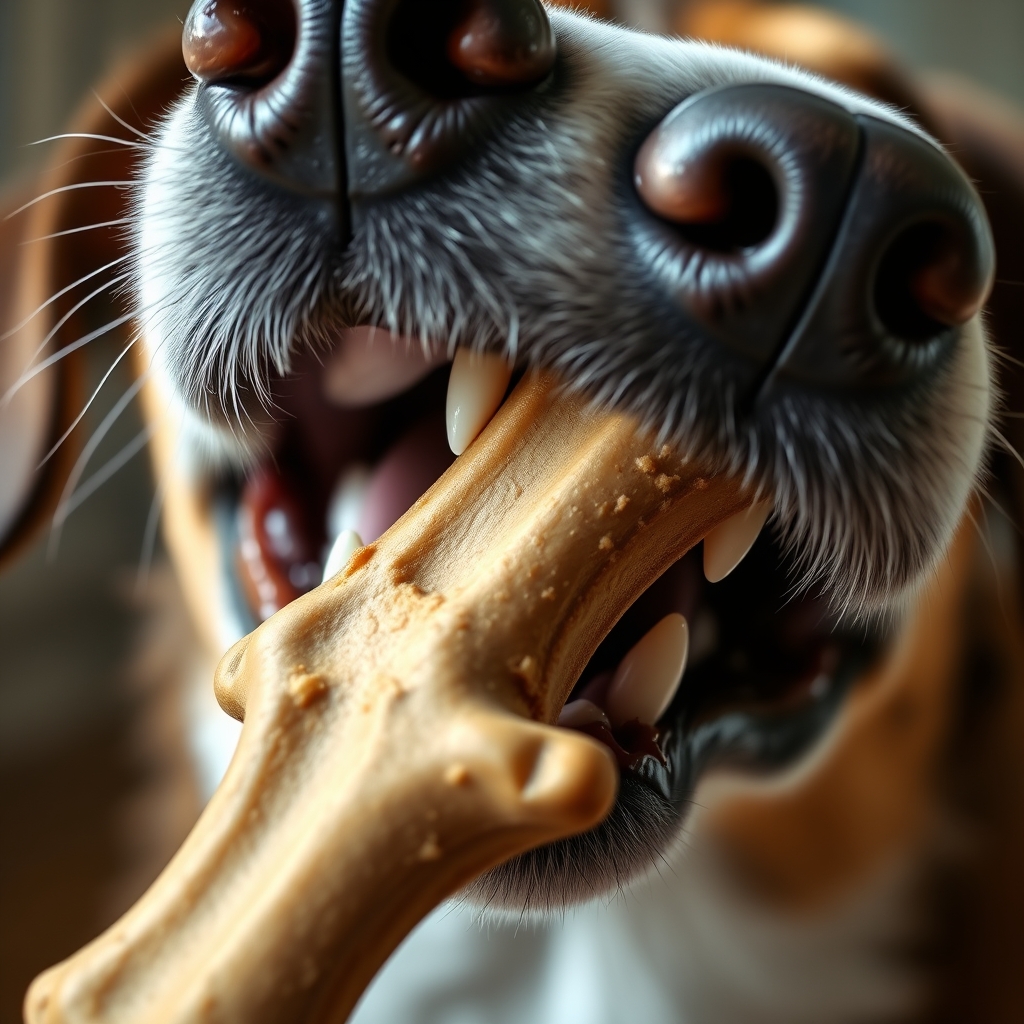
Special populations — allergies, small/giant breeds, dogs with existing dental disease
Evidence for natural dog dental chews and vet recommended dental chews for dogs in special populations—dogs with allergies, toy or giant breeds, seniors, or those with dental disease—is surprisingly limited:
| Special Population | Additional Risks | Practical Guidance |
|---|---|---|
| Dogs with Food Allergies | Unclear how specific chews affect allergy-prone dogs; filler/animal protein can trigger flares. | Choose limited-ingredient, plant-based or grain-free formulas and consult your vet before use. |
| Small Breeds | Choking risk, tooth fracture, overconsumption of calories. | Opt for chews labeled for toy/small breeds, softer textures, and monitor sizing every batch. |
| Giant Breeds | Swallowing chews whole, GI blockages, need for larger sizes. | Select biggest available chew and supervise each chew session. |
| Dogs With Pre-existing Dental Disease | Risk of pain, further tooth loss/injury. | Prioritize soft or powdered chews, and consult your vet for guidance and ongoing care. |
Pricing, calories, and subscription math for bulk buyers
Bulk or subscription purchases of dog dental chews only pay off if your dog accepts the product, tolerates it well, and the formula matches their daily calorie needs. Here’s how to get the math right:
- Cost Per Chew: Divide package price by number chews—compare across brands on a per-dose basis.
- Calorie Load: Multiply calories per chew by frequency—ensure total fits within your dog’s allowance (typically 5-10% of daily calories for treats, less for overweight or sedentary dogs).
- Trial Before Bulk: Many owners waste money on bulk boxes only to discover their dog dislikes or cannot tolerate the chew—start small and only scale up after a successful 4-week trial.
Remember, rejected or adverse-reaction chews eliminate any “subscription savings.”
Questions most articles are missing — areas to ask manufacturers and vets
Before choosing natural dog dental chews for your home or signing up for an autoship plan, here are three critical questions that even top-ranked articles don’t answer:
- Oral Microbiome Impact: Does the chew influence long-term oral health and microbial balance compared to enzymatic or chemical options?
- Effectiveness in Allergic/Sensitive Dogs: Has the chew been tested in food-allergic dogs or those with digestive disorders?
- Best-Case Protocol: What’s the most evidence-based protocol for frequency, chew size, and combination with brushing or water additives for optimal results?
It’s wise to email the manufacturer and consult your veterinarian directly about these issues, especially if your dog has unique needs or sensitivities.
Short recommendations & next steps (what to try first)
If you’re ready to take action, here’s a science-backed sequence:
- Start with a clinically supported or VOHC-backed sample pack, ideally a natural dog dental chew or grain-free chew.
- Run a four-week, twice-daily home trial using before/after photos and a breath scorecard.
- Only buy in bulk or subscribe if your dog shows improvement, no adverse effects occur, and calories stay within goal.
- Consult your vet if your dog has allergies, dental disease, or you’re unsure of sizing/safety.
FAQ
Do dog dental chews really work?
Many clinically tested dog dental chews can reduce plaque and bad breath, but results depend on product, dosing, and your dog’s chewing habits. Peer-reviewed studies show up to 45% plaque reduction after four weeks of twice-daily use for some grain-free and natural chews.
Are grain-free or natural chews safer for dogs with allergies?
They may be, but there’s limited head-to-head safety data. Always check for ingredient triggers and trial with supervision. Consult your vet with any concerns.
How do I know if a chew is too hard or poses a fracture risk?
If you can’t make an indentation in the chew with your fingernail, it may be too hard for your dog and could risk tooth fractures—especially in small breeds or seniors.
What does the VOHC seal mean?
The Veterinary Oral Health Council seal indicates that a product met standards for reducing plaque or tartar in manufacturer-run trials to VOHC protocol, not that the product was independently tested.
Should I combine dental chews with brushing?
Yes. No dental chew replaces brushing altogether—optimal oral health is achieved by combine dental chews, brushing, and water additives where possible.
—