

### Blog Post:
Pollinator Garden projects are one of the fastest, most direct ways suburban homeowners like you can support local bees, butterflies, and other wildlife—if you choose the right native plants and know what to expect your first few seasons.
Key Takeaways
- Native species attract dramatically more pollinators—up to four times more native bees—than common ornamental plants.
- Successful pollinator gardens use region-specific plant lists, staggered bloom times, and simple habitat features like bare soil and rock piles.
- Beginner kits are helpful, but knowing how to assess species lists, timelines, and realistic outcomes avoids the most common disappointments.
- Why Native Plants Matter (and the science you can trust)
- Regional “Best Bets”: Top native pollinator garden plants by U.S. region
- Design principles that actually attract pollinators
- Quick comparison — Seed, nursery plants, or a native pollinator garden kit?
- Site prep & habitat features beginners often miss
- Timeline & realistic expectations for the first 1–3 seasons
- Common beginner pain points and exactly how to avoid them
- Practical maintenance — weed control, watering, and seasonal tasks
- Simple monitoring and success metrics anyone can do
- Three beginner-ready plans (with budgets and timelines)
- Buying checklist & trusted resources
- Quick troubleshooting FAQ
Why Native Plants Matter (and the science you can trust)
If you want your Pollinator Garden to support wildlife rather than simply look pretty, your choice of plants is everything. Science shows native pollinator garden plants attract up to four times more native bees and three times more butterflies and moths than non-native ornamentals do. That’s because native insects coevolved with local plants—their pollen and nectar are better matches for local bees’ needs, and their foliage often serves as host material for butterfly larvae. Choosing true native species ensures long-term resilience, less supplemental watering, and the real payoff: much higher pollinator diversity and abundance season after season.
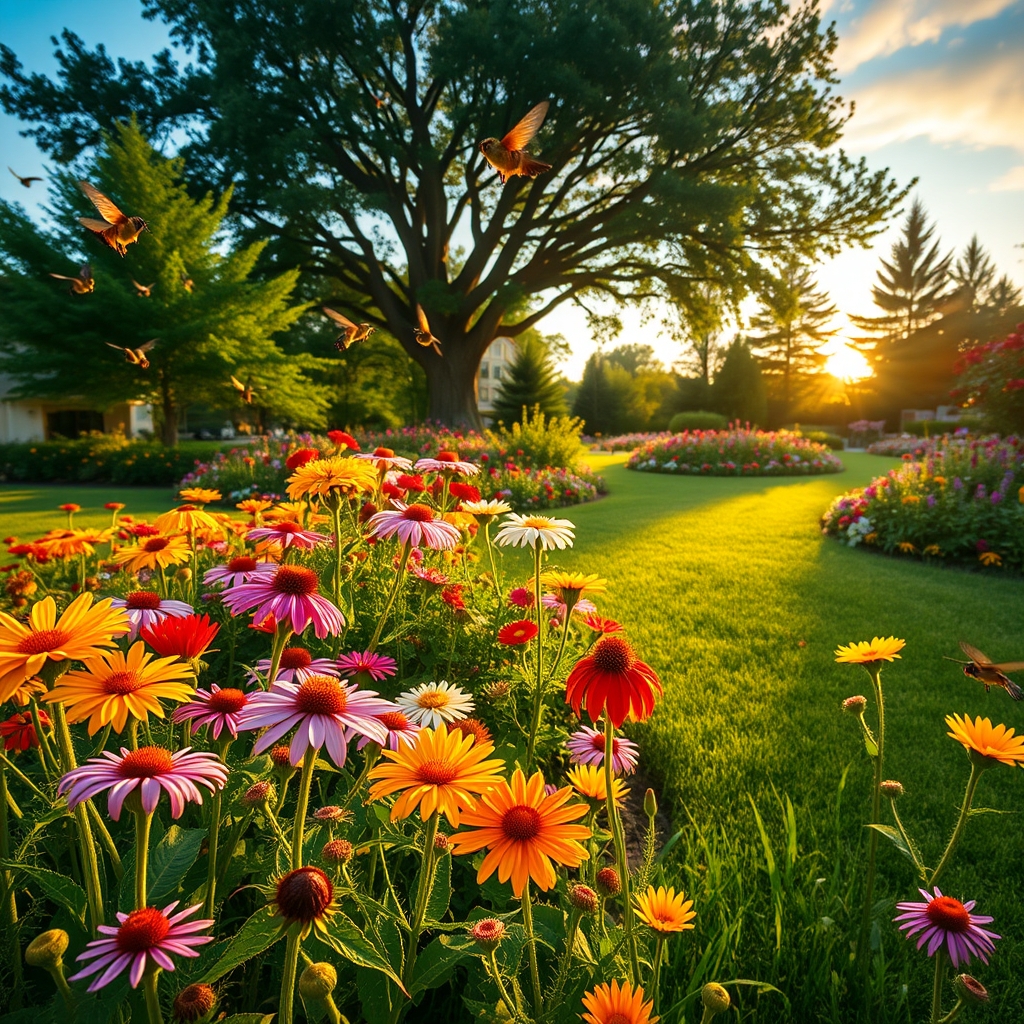
High-quality research—including pollen nutrition studies and field surveys like those from the Xerces Society—confirms these findings across every U.S. region. In fact, monitoring plots with dense native mixes have documented up to 150 bee species and 30 butterfly species per hectare, especially when bloom periods overlap for continuous food supply. The bottom line: skip flashy imports. Native plant choices are the single best scientific “shortcut” to making your pollinator garden plans for beginners successful over the long haul.
Regional “Best Bets”: Top native pollinator garden plants by U.S. region
One-size-fits-all does not work when it comes to what to plant for pollinator garden success. You want 6–10 proven-native plants, clustered by U.S. region, with their bloom times and pollinator benefits summarized. Here are science-backed, low-fuss picks (use local genotypes whenever possible):
| Region | Recommended Pollinator Garden Plants | Bloom Season | Why They Work for Pollinators |
|---|---|---|---|
| Northeast |
Black-eyed Susan (Rudbeckia hirta) Purple Coneflower (Echinacea purpurea) Wild Columbine (Aquilegia canadensis) New York Ironweed (Vernonia noveboracensis) Blue Vervain (Verbena hastata) Heath Aster (Symphyotrichum ericoides) Swamp Milkweed (Asclepias incarnata) Wild Bergamot (Monarda fistulosa) |
May – October (varies by species) | Each species supports a wide range of bees, butterflies, and specialist pollinators; ensures season-long food. |
| Midwest |
Big Bluestem (Andropogon gerardii) Goldenrod (Solidago rigida, S. speciosa) Prairie Clover (Dalea purpurea) Butterfly Milkweed (Asclepias tuberosa) Purple Prairie Clover (Dalea purpurea) Black-eyed Susan (Rudbeckia hirta) Wild Indigo (Baptisia australis) |
May – October | Replicates prairie diversity, strong support for native bees, monarchs, and other species. |
| Southeast |
Butterfly Weed (Asclepias tuberosa) Southern Tickseed (Coreopsis tinctoria) Bee Balm (Monarda didyma) Native Asters (Symphyotrichum spp.) Swamp Sunflower (Helianthus angustifolius) Coral Honeysuckle (Lonicera sempervirens) |
April – November | High diversity of bees and butterflies; hosts for several rare Southeast pollinator groups. |
| Southwest |
Desert Marigold (Baileya multiradiata) Desert Lupine (Lupinus arizonicus) Penstemon species Wright’s Beebrush (Aloysia wrightii) Gaillardia (Gaillardia pulchella) |
March – September | Withstands drought; supports native solitary bees and butterflies needing high-sugar nectar. |
| Pacific Northwest |
Oregon Iris (Iris tenax) Red-flowering Currant (Ribes sanguineum) Western Columbine (Aquilegia formosa) Douglas Aster (Symphyotrichum subspicatum) Native Sidalcea species Nodding Onion (Allium cernuum) |
March – September | Combines early and late bloom for bumblebees, hummingbirds, and butterflies. |
| Rocky Mountains |
Mountain Mint (Pycnanthemum spp.) Alpine Phlox (Polemonium viscosum) Sky-blue Aster (Symphyotrichum subulatum) Penstemon strictus Blanketflower (Gaillardia aristata) |
May – September | Handles harsh winters; nectar for mountain bees and butterflies. |
For more region-specific lists, consult Xerces Society’s native pollinator plant guides.
Think about combining blooms with diverse flower shapes—tubular, flat, clustered—and adding some local grasses or sedges for structure. For more details on plant selection and pollinator lawn alternatives, check out our guide to drought tolerant grass seeds.
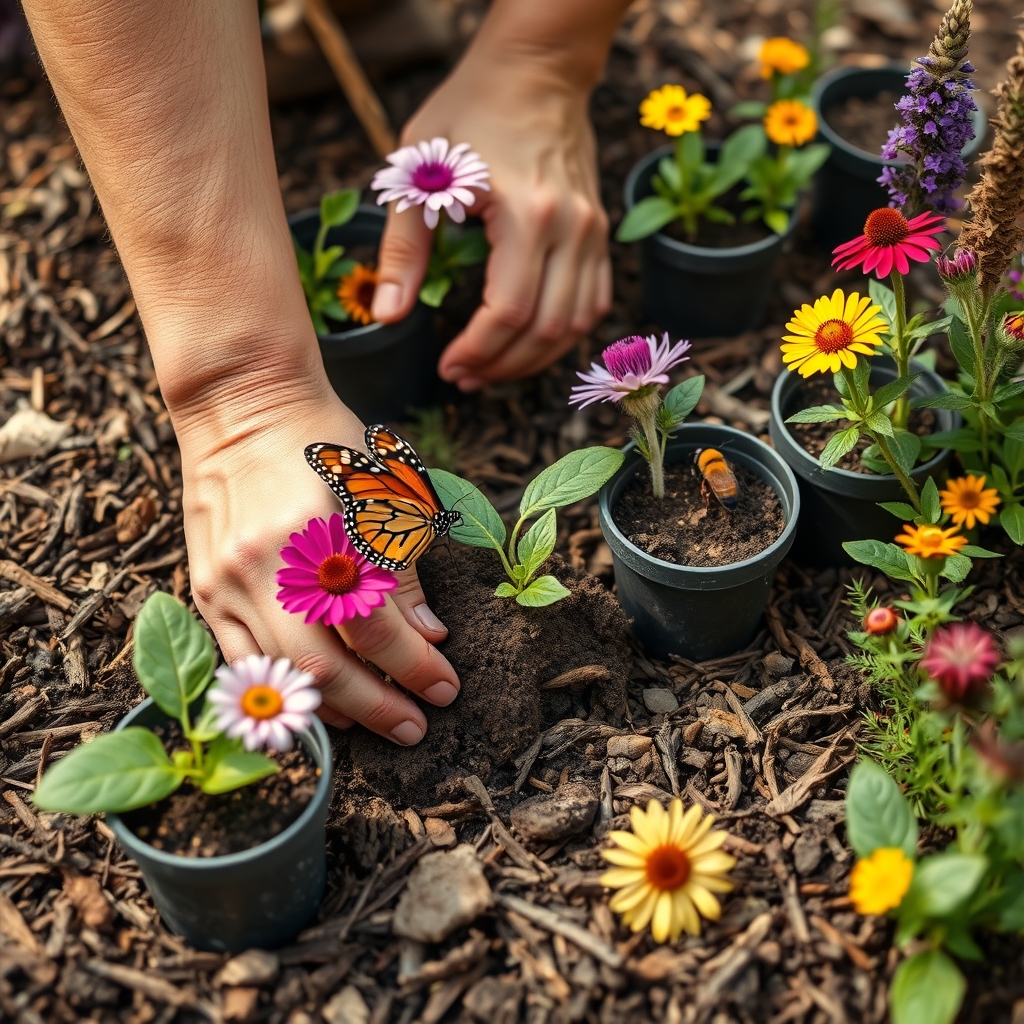
Cluster your pollinator garden plants where they’ll get 6+ hours of sun. Edge borders or clusters stand out in small suburban yards, with mini garden designs particularly effective for space-limited sites.
Design principles that actually attract pollinators (beyond planting pretty flowers)
Moving beyond “just flowers,” good pollinator garden plans for beginners require:
- Dense clumping: Grouping like-plants mimics nature and makes nectar more discoverable. Research plots using this approach have up to 150 bee species and 30 butterfly species per hectare (see study).
- Bloom continuity: Choose plants with overlapping flowering—some for spring, some for summer, some for fall.
- Flower diversity: Use tubular blooms (columbine, penstemons), disks (asters, coneflowers), and umbels (milkweed, wild carrot) to cover both generalist and specialist pollinators.
- Structural layering: Add clumps of native grasses, bare ground, flat stones, woody debris, and open patches for nesting and resting.
For container or apartment setups, deep pots or raised beds can host these plant clusters. Use raised garden bed kits for instant structure and easy access.
Quick comparison — Seed, nursery plants, or a native pollinator garden kit?
Deciding how to start your Pollinator Garden means balancing time, budget, and expectations. Here’s how seed, nursery plants (“plugs”), and native pollinator garden kits stack up:
| Option | Cost | Time to First Bloom | Survival Rate | Best for | Pitfalls |
|---|---|---|---|---|---|
| Seed | Low (<$30 for small yard) | 1-3 years | Low–Moderate (prone to weed competition) | Large areas, smallest budgets | Slow payoff, first year “looks weedy” |
| Nursery Plugs | Medium ($5–$8 per plant) | 1 year or less | High if watered | Small yards, instant impact | Greater upfront cost, availability varies |
| Native Pollinator Garden Kit | Medium-High ($60–$200+ for 9–50 plants) | Immediate–1 year | High (if regional genotypes) | Beginners, convenience | Mixed species lists, not always local, expensive |
Kit shopping? Check for: ONLY true natives, full species list, a bloom calendar, local nursery or reputable source, and clear habitat/nesting instructions. Avoid kits with “pollinator-friendly” exotics—they rarely outperform natives (see plant list).
- Expect lag before blooms—milkweed often takes 2+ years if grown from started from seed.
- If you want faster pollinator action, plugs or a pre-assembled regional kit are best.
Compare suppliers and local sources to get the right native pollinator garden kit for your ecoregion. See this resource for more on evaluating garden kits.
Site prep & habitat features beginners often miss
Take 20 minutes to examine your planting area in early spring:
- Sun exposure: Pick a spot with at least 6 hours of sunlight if possible.
- Soil: Most natives thrive in average garden soil—skip the fertilizer.
- Weeds: Remove or smother grass and major weeds before planting. Some weed pressure is normal but keep competitors low the first year.
- Nesting habitat: Leave small bare soil patches, create a loose rock pile, leave some sticks or stems upright all winter. This boosts solitary bee nests by 25–35% according to USFWS research.
- Water/Minerals: Sink a shallow pie plate or flat dish for a “puddling spot”—add sand and a pinch of salt for butterflies.
- Microclimate: Place a rock or log near blooms for pollinator basking.
Don’t over-tidy! Your garden gnome yard decor can stand nearby, but leave some wild texture for the bees.
Timeline & realistic expectations for the first 1–3 seasons
Your pollinator garden’s progress can feel slow—most beginner complaints are about timing or “looks.” Here’s exactly what to expect:
- Year 0–1 (Establishment): More weeds than blooms if started from seed; plugs look sparse; regular watering needed. Expect minimal pollinator activity, but record any visitors.
- Year 2: Perennial growth takes off, first real blooms, and for the first time, bees and butterflies start to appear consistently.
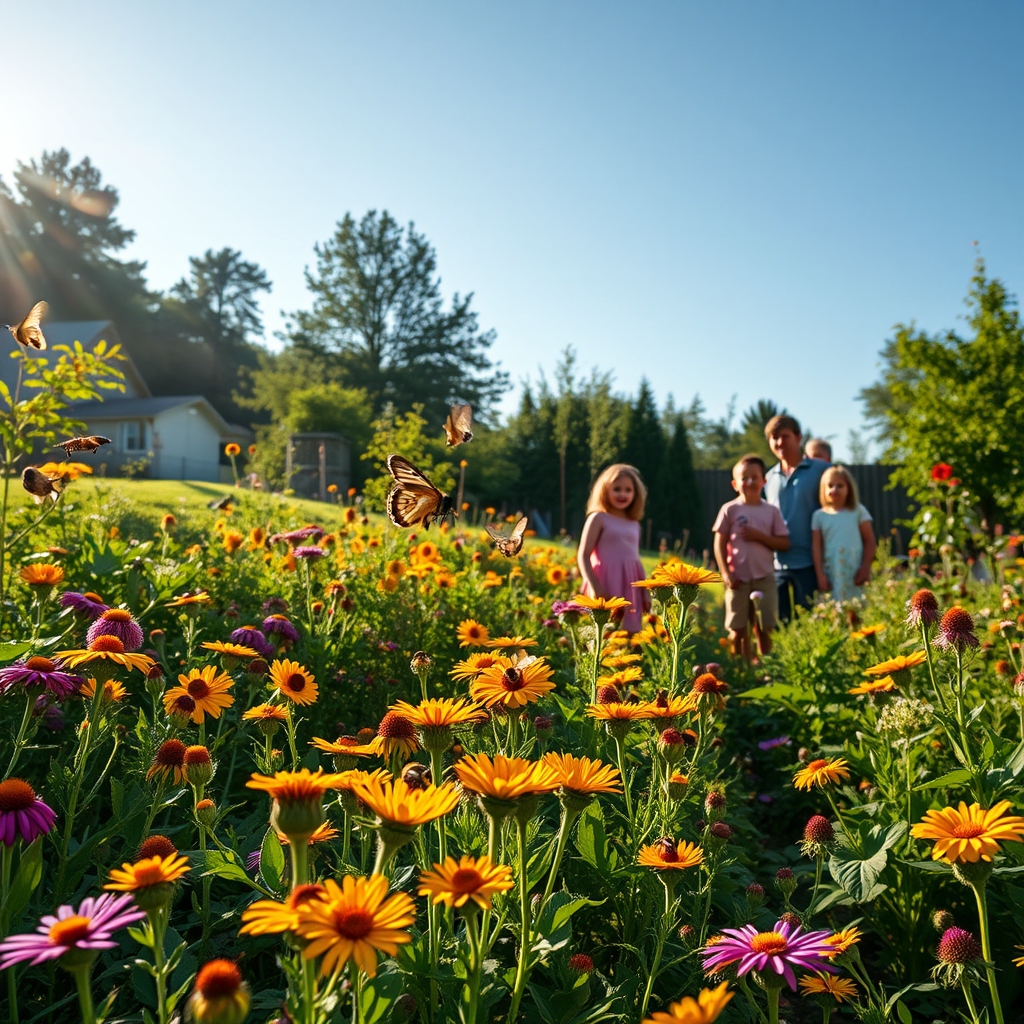
- Year 3: Peak season! Dense foliage, consistent blooms, regular pollinator use—absolutely worth the patience.
Milkweeds and some specialist species may take up to three seasons to flower and attract those elusive monarchs (USFWS).
Common beginner pain points and exactly how to avoid them
- High cost: Start with a mini 3x3x3 patch—only nine plants, three species, in three clumps. Expand later.
- Wrong species for region: Only buy a native pollinator garden kit that lists scientific names and your state or ecoregion.
- Confusion about annual versus perennial: Most native pollinator garden plants are perennial. Some annuals reseed; check labels.
- Weed competition: Pull early weeds by hand, mulch lightly between clumps the first season.
- Aesthetics: Your yard looks untidy before peak bloom. Mark edges with path stones or a mini fence for “intentionality.”
- Poor nesting features: Always add at least one bare soil patch and leave stems standing through winter.
If starting feels overwhelming, try container versions or swap 25% of your lawn for a native patch. See our mini garden beginner guide for more ideas.
Practical maintenance — weed control, watering, and seasonal tasks
- Watering: Water daily in the first week after planting, then weekly throughout the first growing season—especially during droughts.
- Weeding: Remove unwanted weeds manually, especially first year. Don’t disturb soil if unnecessary.
- Cutting back: Leave stems and seedheads standing through winter. Only cut back dead growth in early spring to provide nesting for overwintering pollinators.
- Pest control: Don’t spray! Allow ladybugs, lacewings, and other beneficials to handle pests naturally.
- Observation: Wait, watch, water and weed control (USFWS)—pollinator action increases over time if you keep up simple care.
If you want low-fuss maintenance, try easy garden lawn substitutions as seen in our drought tolerant lawn guide.
Simple monitoring and success metrics anyone can do
- Take weekly photos of your pollinator garden to track growth and blooms.
- Do a “10-minute count”: Sit quietly, note every bee, butterfly, or wasp visiting flowers.
- Use a simple checklist: Mark off every native pollinator group you spot (bumblebee, sweat bee, monarch, swallowtail, etc.).
- Record first bloom dates each year to see if your garden’s timing shifts and improves.
- Notice increases in pollinator visits, bloom diversity, and nesting holes from season to season—patterns mirror findings from long-term research.
Three beginner-ready plans (with budgets and timelines)
A. 3x3x3 Mini Patch
- Layout: 9 plants (3 species x 3, each in a grouped clump) within a 25–36 sq ft patch, best if you use native plugs or a small regional kit.
- Plant Ideas (Midwest): Butterfly milkweed, purple prairie clover, goldenrod.
- Budget: $55–$90.
- When to Expect Blooms: Within the first growing season (if planted as plugs).
- Maintenance: 15 minutes/week (water, weed, monitor).
B. 50 sq ft Perennial Patch
- Layout: 12–15 plant plugs, fill gaps with a packet of mixed seed (matched to your region).
- Plant Ideas (Northeast): Black-eyed Susan, wild bergamot, swamp milkweed, heath aster.
- Budget: $80–$180 (higher for local nursery sources).
- Bloom Timeline: First flowers in year one, denser color in years two and three.
- Maintenance: 15–20 minutes/week, more weeding up front if planted from seed.
C. Pollinator Lawn Retrofit
- Layout: Remove 25% of a 200 sq ft lawn, plant a native strip or edge border.
- Plant Ideas (Pacific NW): Oregon iris, Douglas aster, red-flowering currant.
- Budget: $75–$125 (using plugs or a modest kit).
- Expected Blooms: Year one for most species if plugs, year two if seeded.
- Maintenance: Similar to a flower bed (water, weed, no mowing).
Community projects and systematic “mini” gardens, like the 3x3x3 system, show how manageable and rewarding it can be to start small, with the option to scale up later.
Buying checklist & trusted resources
Before spending on any native pollinator garden kit or plant list, use this checklist:
- Native-only: Species names match your state/region; crosscheck with Xerces Society.
- Bloom spread: Early, middle, and late flowering included.
- Habitat instructions: Does the kit explain how to provide nesting, water, and shelter?
- Sourcing: Grown in your region or a reputable, pesticide-free nursery.
- Clear returns/guarantees: Avoid mystery seed mixes with no support or refund policy.
Best trusted reference sources for region-appropriate pollinator garden plants:
- Xerces Society Pollinator Plant Lists
- University of Maryland Extension: Pollinator Gardens
- DC Department of Energy & Environment
For oddball local landscaping inspiration, see garden gnome yard decor or for larger kits, metal raised garden bed kits.
Conclusion
Building a thriving Pollinator Garden in your suburban yard is realistic, even as a beginner. Focus on native pollinator garden plants chosen for your region, and use a small starter kit or plugs for the fastest results. Give your garden 1–3 years—and a few simple structural tweaks—for meaningful pollinator visits and a major boost for local wildlife. Ready to make your yard part of the “future” of eco-friendly landscapes? Start today, and don’t forget to record your results and celebrate the first bee or butterfly sighting.
Quick troubleshooting FAQ
My pollinator garden looks messy. Is this normal?
Absolutely. New pollinator gardens often look wild before plants mature. Define the borders or add a mini fence to help neighbors see it’s intentional.
No pollinators have visited yet. What should I do?
If you started from seed, expect a lag—sometimes up to two seasons. Water, weed, and be patient. Adding more blooming species and some puddling spots may help.
How much should I expect to spend for a native pollinator garden kit?
Most quality small kits cost $60–$125 including shipping. For more budget options, buy plugs locally or divide plants with a neighbor.
I’m worried about weeds taking over. What’s realistic?
Hand-weed during the first year before plants fill in. By year two, dense perennials outcompete most invaders naturally.
Should I use pesticides if bugs attack my plants?
No. Most “problems” clear up as natural predators move in. Pesticides harm pollinators and aren’t needed for these resilient native gardens.
—