

### Blog Post:
Drought Tolerant Grass Seed is no longer just a buzzword—it’s backed by field data from 2022 to 2024 that shows real water savings and resilience for your lawn. But marketing hype aside, the reality is that not every “drought-friendly” seed will thrive in every yard or climate—or eliminate lawn care headaches. This guide breaks down what works, what doesn’t, and how to choose the right low water grass seed for suburban yards facing seasonal restrictions.
Key Takeaways
- New field trial data shows top drought tolerant grass seed blends (like Pennington Smart Seed and TifTuf Bermudagrass) can cut irrigation 30-40% without sacrificing lawn quality. [Source]
- No-mow and shade mixes help but come with realistic trade-offs: less traffic tolerance and the need for more overseeding.
- Success depends on meticulous establishment, not just seed choice—most homeowner failures are due to mistakes in watering and timing, not the seed itself.
- Why choose drought-tolerant grass seed (and what “drought-tolerant” really means)
- How to pick, plant, and succeed with low water grass seed
- Advanced analysis & common pitfalls
- Final recommendation & action plan
- Frequently Asked Questions
Why choose drought-tolerant grass seed (and what “drought-tolerant” really means)
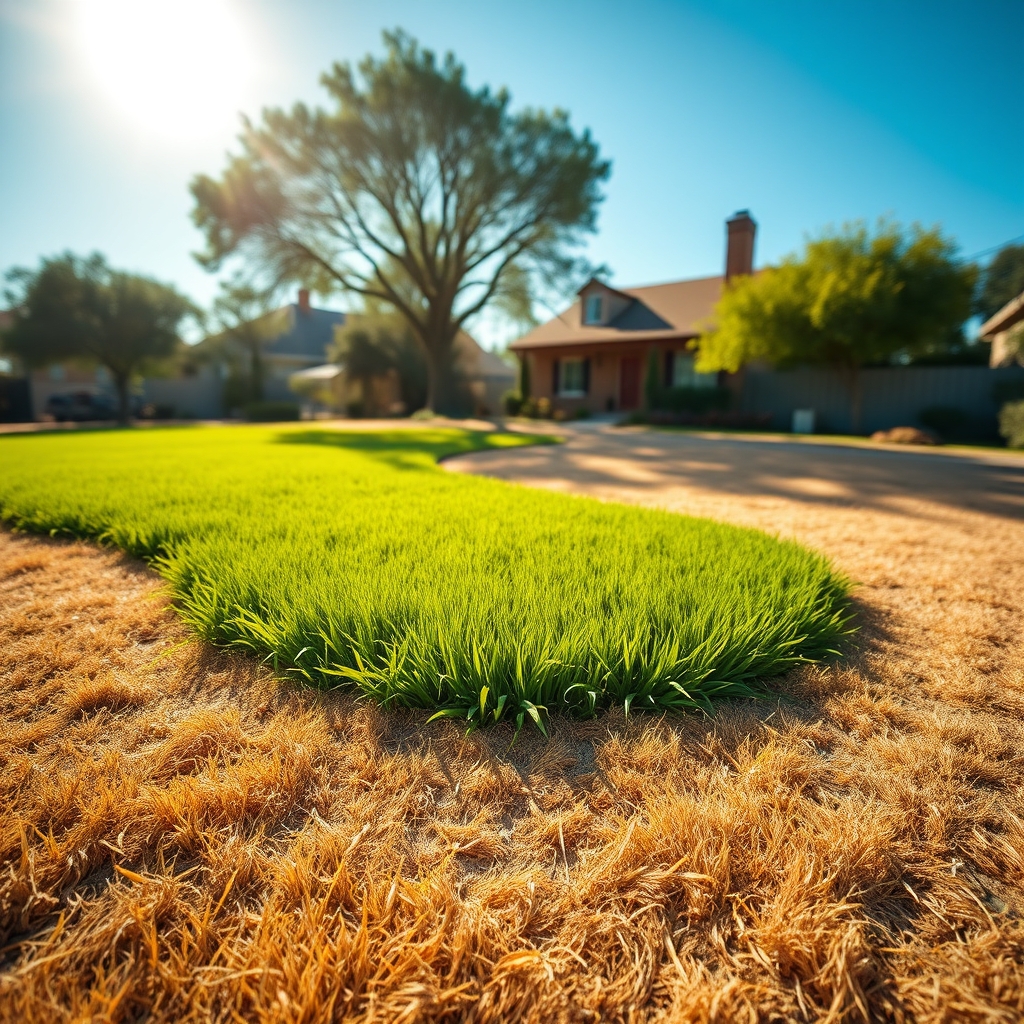
Not all grass that survives a dry summer is truly “drought-tolerant.” The term refers to seed varieties and blends proven through trials to stay green and recover with significantly less irrigation once established—often verified by independent groups like the Turfgrass Water Conservation Alliance (TWCA). For example, Pennington Smart Seed and UGA’s TifTuf Bermudagrass are documented to reduce water use by 30-40% compared to standard Kentucky bluegrass or tall fescue, while maintaining healthy turf (see research).
- Drought tolerant means the grass needs less irrigation but may still need supplemental water during extreme heat.
- Drought resistant often refers to species that merely survive drought by going dormant, not staying green.
- Trade-offs: Many drought tolerant grass seed options have lower shade tolerance, or less ability to handle foot traffic compared to conventional options.
Expect lower water bills, somewhat less frequent mowing, and a lawn that stays green longer. However, some shade- or no-mow blends may struggle with wear, rebound and weed invasion. Always compare cultivar claims to third-party certifications and local extension service advice.
How to pick, plant, and succeed with low water grass seed
The right drought tolerant grass seed for your yard depends on your sun exposure, shade, and how much foot traffic your lawn sees. Here’s a step-by-step plan that incorporates both field trial findings and real homeowner experience:
- Zone your yard by sun (full, partial, heavy shade), and by foot traffic (high, moderate, low). This will dictate the blend you choose.
- Pick verified cultivars for your climate and layout. UGA TifTuf (details) thrives in sunny, high-traffic zones; deep-rooted tall fescue blends or fine fescue mixes work better for shade.
- Seek TWCA-qualified seed, Penkote-treated varieties (90%+ seedling survival), or Pennington Smart Seed line.
- For shade, look for “drought resistant grass seed for shade” or fine fescue-heavy blends, but know they require lighter use and more overseeding. Get more tips from our raised bed gardening guide for integrating shade-prone areas.
- Prep and Timing:
- Seed early fall or spring—avoid high summer heat or winter dormancy.
- Clear weeds and loosen top 1–2 inches of soil. Mix in compost if soil is sandy or compacted.
- Watering Schedule (Critical Stage):
- Weeks 0–2: 0.1″ per watering, 2–3 times/day to keep surface consistently moist. (Denver Water)
- Weeks 3–4: 0.2″ once/day.
- Weeks 5–6: 0.3″ every other day. Gradually deepen roots, then ramp down to your seed’s minimum irrigation rate.
- Overseed bare patches after 6–8 weeks, especially in shady or trafficked areas.
- Transition to low-input mode: Once established, many TWCA and Smart Seed blends need just 60-70% the water of bluegrass lawns. Adjust mower height (usually 3–4″) and only fertilize per regional recommendations.

For homeowners aiming for the lowest maintenance and water use, consider “no mow low water grass seed” mixes based on fine fescue or microclover. Don’t get fooled: “No-mow” means fewer mowings—not none. Moderate foot traffic or occasional weeds can still create bare patches. For better playability without grass, check out alternatives like drought tolerant lawn alternatives such as clover, or combine with decor like a garden gnome set or porch goose for personality in tough corners.
Advanced analysis & common pitfalls
Most problems with drought tolerant grass seed in real suburban yards are easily avoidable. Here’s what field trial data and home users report time and again—and how to avoid disappointment:
| Seed/Blend | Water Savings | Shade Tolerance | Traffic Tolerance | Mowing Needed | User Pain Points |
|---|---|---|---|---|---|
| Pennington Smart Seed | ~30-40% | Moderate | Good | Every 10-14 days | Missed water window, patchiness if over-shaded |
| TifTuf Bermudagrass | ~40% | Low | Excellent | Weekly | Goes dormant in long shade, needs heat to thrive |
| Fine Fescue Shade Blend | ~30% | Excellent | Low | Monthly (low mow) | Thin under wear, weeds if mowing neglected |
| No-mow/Low-water Festuca | ~30% | Good | Poor | Monthly or less | Patchiness in high traffic, some brownout in dry shade |
| Strawberry Clover | 50%+ | Good | Fair | Monthly | Different look/feel vs. lawn, needs edge barrier |
Don’t get fooled by marketing:
- No-mow mixes can fail if you rarely mow or have frequent foot traffic—bare patches or weeds sneak in fast.
- Shade blends save water but might look thin—especially if the area gets morning sun only or heavy play.
- Establishment is crucial: Over 70% of user failures come from missing extra water in the first 2 weeks, or seeding too shallow or late in the season.
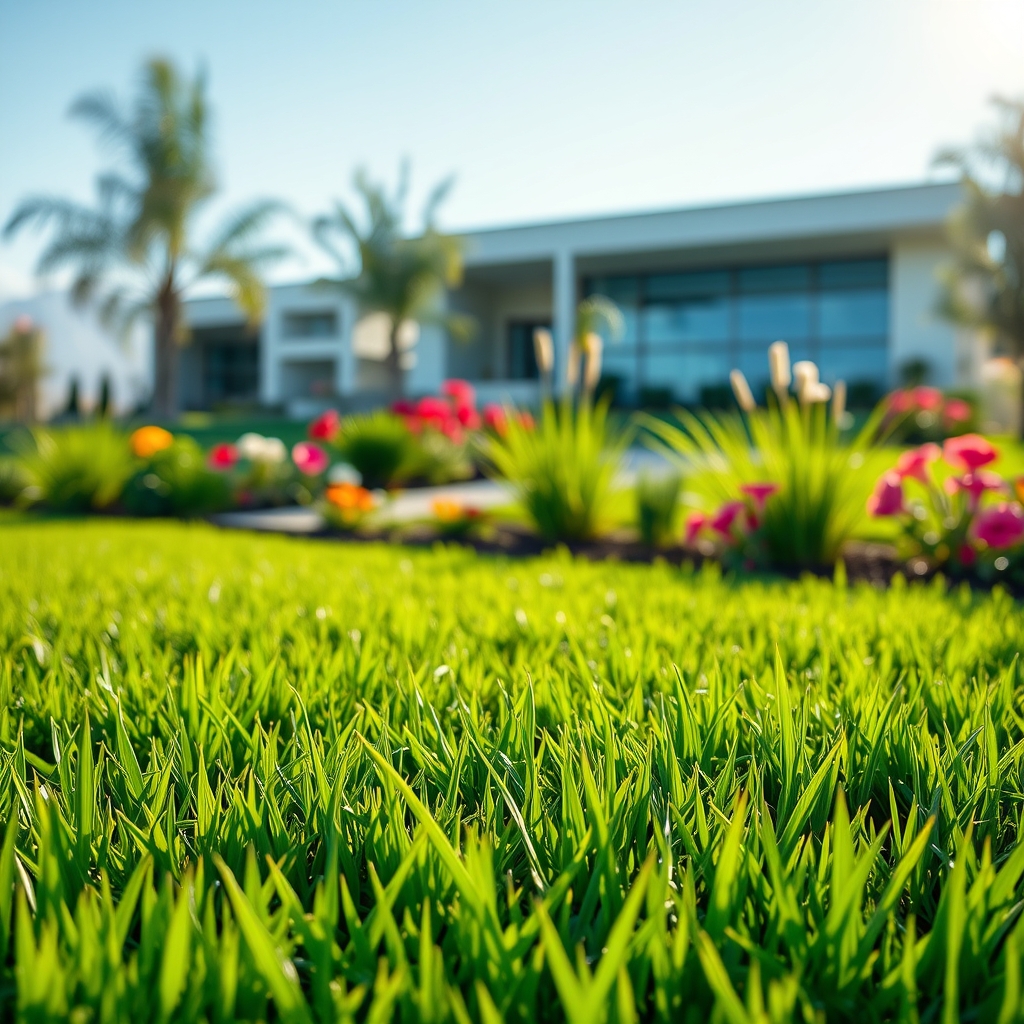
Certified seed treatments matter. Penkote-treated seed gets up to 90% seedling survival, while independent certification (like TWCA) is the gold standard for reliable water savings.
For ultra-low input, consider non-traditional drought tolerant lawn alternatives. Strawberry clover stands out with its deep roots and minimal watering needs [source]. For more inspiration on adding garden features to lower-maintenance spaces, dive into our test page.
Final recommendation & action plan
The bottom line: Success with drought tolerant grass seed depends as much on your initial establishment and honest expectations as it does on the variety. For a typical sun/shade mixed suburban yard, opt for TWCA-qualified drought tolerant grass seed or recent field trial winners such as Pennington Smart Seed, Penkote-treated tall fescue, or TifTuf Bermudagrass. Use this low-risk 3-step plan:
- Buy seed: Look for packaging noting “TWCA-qualified,” Penkote-treated, or specific research claims (30-40% less water). Regional blend guide here.
- Plant at the right time: Seed in early fall or spring, follow the intensive watering schedule for the critical first six weeks (see table above).
- Maintain smart: Overseed bare patches, mow less but not never, and ramp down irrigation after establishment—aiming for that 30-40% reduction. Check for weeds every few weeks.
For spotty growth in shaded or hard-to-mow corners, integrate low water clover or native groundcovers. Want your lawn to become a real property feature? Combine drought-tolerant grass with personality-driven decor like a porch goose or group of garden gnomes.
Have a tricky yard or need hyper-local species advice? Contact your county extension or ask local suppliers about drought tolerant grass seed and low water grass seed options shown to work in your microclimate. The upfront effort pays back over years of lower bills and less water stress.
Frequently Asked Questions
How much water will I actually save with drought tolerant grass seed?
Most TWCA-qualified or top field trial blends cut irrigation by 30-40% once established; exact savings depend on your climate and how strictly you follow recommended watering ramp-down.
Do “no mow low water grass seed” mixes really mean no mowing?
No. These mixes greatly reduce frequency (often just monthly) but rarely eliminate mowing—especially if you get any traffic or weed intrusion. Occasional touch-up mowing is still needed.
What’s the best drought resistant grass seed for shade?
Fine fescue shade blends lead the pack for heavy shade, needing about 30% less water than bluegrass, but may grow thinner and patchier with use. Overseeding is usually required in the densest shade.
How long will drought tolerant grass stay green without watering?
Pennington Smart Seed and similar elite blends can remain green up to three weeks without rainfall or irrigation, according to field trial evidence. After that, most grasses go dormant, not dead. [Source]
When does “no-mow” actually save me time?
No-mow or low-mow blends shine in low-traffic, open shade areas where you can let the grass grow 6 inches or more before mowing. However, thin spots and weeds can still demand periodic attention.
—