

### Blog Post:
GPS pet tracker collar technology has changed the way pet owners prevent escapes and recover runaway dogs and outdoor cats. If your pet loves to bolt or you live in a rural area, the right collar can mean the difference between a stressful search and quick recovery. This guide covers the best low-latency, no-subscription options and shows what to expect in the real world—no fluff or outdated info.
Key Takeaways
- Trackers like SpotOn Nova and Aorkuler GPS Dog Tracker 2 deliver 1–3 second real-time updates with no monthly fees, critical for owners of escape-prone pets.
- Waterproof cat GPS collars such as Tractive Cat 6 Mini and Fi Mini have verified IP68 ratings and strong drop/rain resilience, with up to 15 days battery life during continuous tracking.
- Geofencing works, but false alerts and delays due to GPS drift and connectivity lag remain real; buyers must “test before trust.”
- Why latency matters for escape-prone pets
- Fastest no‑subscription GPS pet trackers in 2026
- Waterproof ratings and third‑party durability results for cat GPS collars
- Geofencing in practice — strengths, limits, and the top 3 user complaints
- Practical buying checklist for owners who need near‑instant location
- Shortlist — Best picks for different use cases
- How to vet and field‑test a tracker before you rely on it
- Final recommendations & next steps for the buyer
- FAQ
Why latency matters for escape-prone pets
The “update latency” of a GPS pet tracker collar—how fast it reports your pet’s location—directly impacts how quickly you can recover an escapee. If your dog or cat runs out of your yard, every second you wait for the map to update gives them a head start. Many mainstream subscription collars take about 13 to 16 seconds to begin live tracking after you request it, and this delay can extend to nearly a minute if cellular service is weak. By contrast, top no-subscription models like SpotOn Nova and Aorkuler GPS Dog Tracker 2 deliver new fixes every 1–3 seconds in real time, and this near-instant data radically reduces both search area and stress.

A delay of 13 seconds versus 2 seconds can mean your dog covers almost 200 feet further at a sprint. For “bolter” breeds or clever outdoor cats, this is the margin that matters.
Data: SpotOn Nova updates every 1–2 seconds (3–6 ft drift, no fees); Aorkuler Tracker 2 updates in about 3 seconds (5–10 m accuracy, no subscription). Typical subscription units: 13–16 seconds to start, occasional 1-min delays. Source
Fastest no‑subscription GPS pet trackers in 2026 (real-time performance)
For tech-aware owners who refuse monthly fees, only a handful of GPS trackers truly deliver real time location with no ongoing costs. The difference is not just in economics, but in raw escape response:
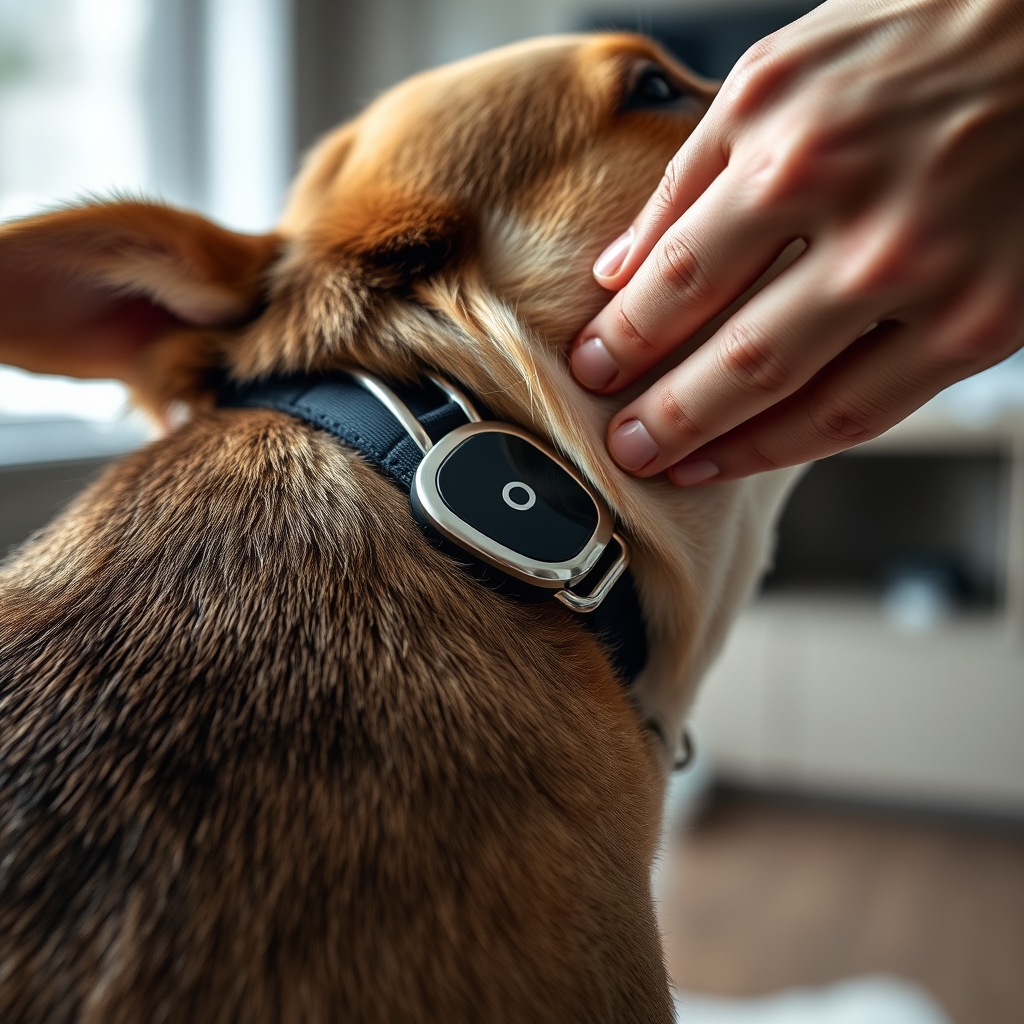
Comparison of the best no-subscription, real time GPS dog tracker models (2026):
| Model | Update Speed | Accuracy | Subscription Required? | Key Note |
|---|---|---|---|---|
| SpotOn Nova | 1–2 seconds | ~3–6 feet (1–2m) | No | Fastest, best for reactive bolters |
| Aorkuler GPS Dog Tracker 2 | ~3 seconds | ~5–10 meters | No | Great for value, all-terrain use |
| Tractive Dog 6 | 13 seconds | ~10 meters | Yes ($) | Faster than most, but with fees |
Both SpotOn Nova and Aorkuler skip the common “live mode” trigger lag seen in subscription units like Tractive and Fi, making them top choices for those who need immediate location in the field. (See full technical breakdown on Aorkuler’s official review.)
For more on slow/fast tracking and how it connects to training, see our insight on interactive cat toys and outdoor exercise safety.
Waterproof ratings and third‑party durability results for cat GPS collars
Waterproofing matters for any GPS collar designed for pets who love water or rough terrain, especially small-breed dogs and outdoor adventure cats. But IP68 on the box isn’t enough: the real world involves mud, water, snow, and roughhousing.
Tractive Cat 6 Mini and Fi Mini both ship with IP68 water resistance—survivable after being submerged up to 1.5 meters for half an hour. Multiple independent testers have drop-tested these collars from 1 meter and left them outside in rain and snow for 24+ hours. Both models kept transmitting and syncing with their app during and after testing. Battery life during continuous tracking mode clocks in between 10 to 15 days depending on update rate and wireless settings (Tractive’s lab data).
Some collars sold as waterproof suffer corrosion or charging port failure after repeated water exposure—but the above have passed multi-cycle testing. For those with smaller pets, double check weight and attachment system: not every “dog” label fits a cat well. For additional odor-resistant gear, our stainless steel litter box guide covers what makes hardware truly rugged in wet conditions.
Geofencing in practice — strengths, limits, and the top 3 user complaints
Geofencing lets you set a virtual boundary and get alerts when your pet leaves or enters the zone. It’s a must for many, but imperfect in practice—even on a high-end GPS collar with geofencing.
The technology uses GPS satellites plus cell towers or Wi-Fi for position. Here’s where realistic issues creep in:
- GPS drift and urban canyon error: Buildings or dense trees confuse satellites, making position “jump.” This causes false breach alerts—your pet is shown outside when they’re actually at home.
- Notification delays: Even real time GPS dog tracker no subscription devices can take 10–60 seconds for an alert to reach your phone. Cellular lag is the main cause, especially in spotty coverage areas.
- Battery drain: Continuous geofence monitoring taxes the battery, draining it far faster than hourly tracking mode.
A review by Wirecutter (source) found that even the quickest geofence-triggered alerts sometimes lagged by up to a minute. The top three user complaints in 2026 are:
- Frequent false-positive geofence triggers due to GPS inaccuracies.
- Slow notification time after boundary crossing.
- Batteries losing charge within a few days with fences “always on.”
To avoid these, always field test geofencing for your property and pet’s patterns before relying on it daily. For multi-cat homes, see our deep dive into outdoor-safe enrichment.
Practical buying checklist for owners who need near‑instant location
Speed, ruggedness, and alert reliability all count—plus the reality of no hidden fees. Here are non-negotiable specs for a GPS pet tracker collar if your pet is a known runner:
- Update latency: Target under 3 seconds. SpotOn and Aorkuler are benchmarks here.
- Accuracy: Top models offer 3–6 feet (SpotOn) or 5–10 meters (Aorkuler). Subscription devices often lag further behind.
- Waterproof rating: Look for IP68 or better, validated by third-party drop/rain tests—not just lab claims.
- Battery life: Expect 10–15 days on continuous tracking, but know that real time drains batteries rapidly. Plan charging schedules accordingly.
- No subscription: Verify with support—policies change, and some brands add “activation” fees even on “no fee” listings.
- Size/weight: The lightest is not always the fastest; heavier duty collars may bulk up in favor of raw update speed or battery. For sensitive cats or toy breeds, compare dimensions and try the fit before extended use.
If your buying priority is odor-resistance, combine the right collar with an easy-clean stainless steel litter box for all-weather outdoor cats.
Shortlist — Best picks for different use cases (escape‑prone dog, outdoor cat, budget no‑fee option)
Best for the fastest escape recovery (dogs, large outdoor cats): SpotOn Nova — Real time tracking updates every 1–2 seconds, 3–6 foot drift, zero subscription (compare on video). Bulkier, but the speed is unmatched.
Best value, all-around no-fee: Aorkuler GPS Dog Tracker 2 — Around 3 second updates, 5–10 meter accuracy. No monthly fee, light enough for most midsize dogs and some cats.
Best for cats, small breeds, and waterproofing: Tractive Cat 6 Mini / Fi Mini — IP68 rating, certified to survive multiple 1-meter drops, rain/snow exposure, and up to 15 days battery. Slight fee for Fi after trial, Tractive requires a subscription.
Tradeoffs: SpotOn is pricier and bulkier. Aorkuler balances performance and weight. Tractive/Fi excel in waterproofing, but subscriptions may be required. For food-motivated “escape artists,” see our freeze dried dog food picks (a treat incentive for recall).
How to vet and field‑test a tracker before you rely on it
“Trust but verify” should be your motto. Here’s how to validate a new GPS collar with geofencing and ensure you never rely on false peace of mind.
- Activation latency test: Set collar to continuous mode. Time the interval between opening the app and seeing location update. Acceptable: under 3 seconds. If 13–16 seconds or longer, reconsider your pick.
- Urban drift test: Walk or drive through urban “canyon” streets or dense tree cover. Look for “jumps” of more than 5 meters. Excessive drift means unreliable alerts.
- Geofence simulation: Set a perimeter on your property, trigger a “fence breach” and time how long it takes for the phone to alert you. Up to 30 seconds is average; 1 minute is at the upper tolerance.
- Continuous battery drain test: Run tracker in “live mode,” chart battery drop over 12/24 hours to ensure it meets minimum life claims (at least 10 days under continuous tracking for leading models).

If your collar fails any of these (source data here), use the return period or seek firmware updates. For additional troubleshooting, our dog DNA test kit guide covers device pairing tips for difficult pets, since breed-driven energy and roam behavior influence tracking needs.
Final recommendations & next steps for the buyer
Choosing the best GPS pet tracker 2026 model comes down to your priorities. If speed and subscription-free operation matter most, SpotOn and Aorkuler set the standard with 1–3 second update times and solid hardware verified in drop/rain immersion. For the waterproof GPS collar for cats or tiny dogs, Tractive Cat 6 Mini and Fi Mini have proven their resilience, but watch out for subscription disclosures. For geofence-heavy users, field testing is essential—expect the occasional lag or false alarm in dense neighborhoods, and always keep recharge intervals in mind.
Before finalizing your decision, always:
- Order with a trial period so you can home test latency, battery, and geofence response.
- Check for recent firmware or app updates and install immediately—performance shifts as brands patch software.
- Run a live, real-world escape simulation to confirm alerts and updates meet your real time GPS dog tracker no subscription expectations.
For owners of escape-prone pets, investing in a proven, rugged GPS pet tracker collar is as critical as choosing a secure fence or a sturdy leash. Take action today, and regain peace of mind the next time your best friend tests the limits.
FAQ
Can cats wear GPS collars safely?
Yes—models like Tractive Cat 6 Mini and Fi Mini are light, have breakaway mechanisms, and are waterproof IP68. Always check fit and that attachment is secure but not restrictive.
Will no-subscription trackers work everywhere?
Most use GPS direct-to-app communication or local RF radios. No-subscription models like Aorkuler have a max range and may struggle in extremely remote areas or indoors.
How often should I recharge my GPS pet tracker collar?
If you use live tracking or geofence monitoring, expect battery life in the 10–15 day range at best. Lower update intervals or constant “live mode” drain the battery much faster.
Are geofence alerts instant on all devices?
No—delays of up to 1 minute can occur, even on real time GPS dog tracker no subscription devices, depending on cell coverage and the design of the app’s notification system.
How do I know my tracker is truly waterproof?
Look for IP68 certification and check for independent drop/rain tests. The best waterproof GPS collar for cats will have user and lab verification, not just marketing claims.
—