

### Blog Post:
stainless steel litter box adoption is rapidly rising among practical, detail-focused cat owners fed up with lingering odors, plastic stains, and constant box replacements. If you’re ready to fix hygiene and smell issues for good, evidence suggests a non-plastic cat litter box delivers quantifiable advantages that generic guides rarely explain in real-world, purchase-ready terms.
Key Takeaways
- Lab testing shows stainless steel boxes retain just 2% of bacteria after washing, compared to 45% with most plastic boxes—offering roughly 95.6% better odor suppression and cutting cleaning time by half or more.
- Durability pays off: Metal boxes last 5–15 years versus 6–24 months for plastic, justifying higher upfront cost with long-term savings and fewer replacements.
- Before you buy, demand real data on: acoustic noise, litter/automation compatibility, robust warranties, and sustainability—criteria missing from most comparison guides.
- Why stainless steel is worth considering right now
- How stainless steel reduces odor and simplifies cleaning
- Durability, long-term ROI & the three most common complaints from owners who switch
- Missing criteria #1: Acoustic performance—what to ask and why it matters
- Missing criteria #2: Litter and automated-cleaner compatibility checklist
- Missing criteria #3: Sustainability, warranty & ergonomic design
- Practical buying checklist—exact specs to require from product pages
- How to transition your cat from plastic to steel (minimize stress and noise)
- Quick FAQ / buyer objections answered
- Final recommendation & CTA (how to choose the right model for your home)
Why stainless steel is worth considering right now
Stainless steel stands apart as the most hygienic, scratch resistant, and odor-resistant litter box material on the market. Unlike plastic, which is slightly porous and prone to micro-scratches from claws, stainless steel is non-porous and rated “very high” for scratch resistance. It does not absorb liquids, so odors and bacteria can’t embed themselves in the material over time.
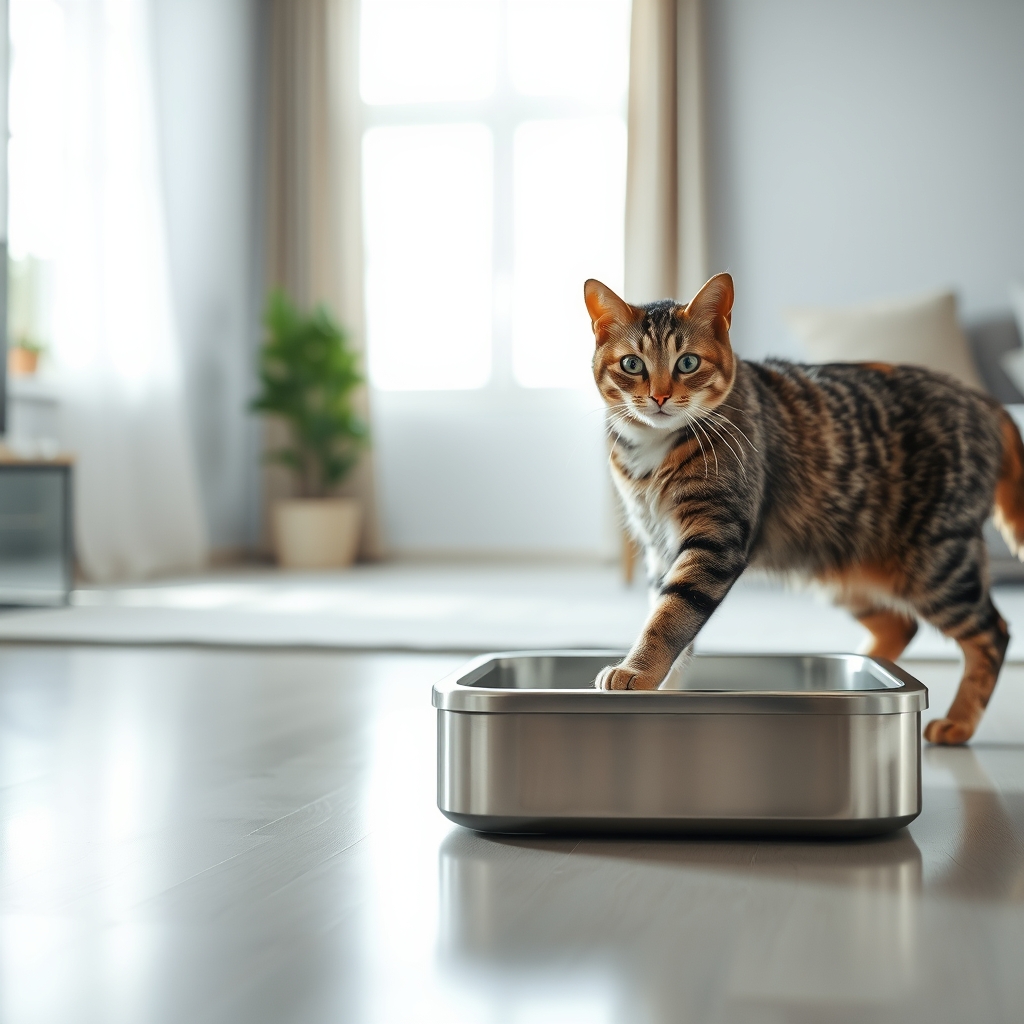
Recent research confirms the difference is dramatic: after a typical wash, stainless steel boxes retain about 2% of bacteria versus 45% for plastic. That huge gap means less risk of persistent smells, even if you aren’t scrubbing the box daily. For cats with sensitive noses (or multi-cat homes) the upgrade from a plastic to a stainless steel litter box is a direct fix for lingering box odor and unsightly stains. For a practical, in-depth material comparison, check resources like Furrbby’s research summary and AOSOM’s feature breakdown.
Plastic boxes are cheaper and lighter, but those same qualities make them less durable. Scratches from scooping or clawing can trap urine, leading to stubborn odors that refuse to scrub out. Over months of daily use, plastic boxes become noticeably discolored and are much harder to disinfect. By contrast, a quality stainless steel litter box resists dings and will not warp or crack—making it a cleaner, lower-maintenance choice for anyone serious about indoor cat hygiene.
How stainless steel reduces odor and simplifies cleaning
The biggest hygiene advantage of a stainless steel litter box for smell is simple: stainless is non-porous, so it prevents urine and bacteria from soaking or being trapped in the box itself. This design means odors stay on the surface and are easily washed away, ensuring a fresher, more sanitary box even between deep cleanings. Routine cleaning takes about 3–5 minutes, compared to 10–20 minutes for plastic, according to consumer reports.
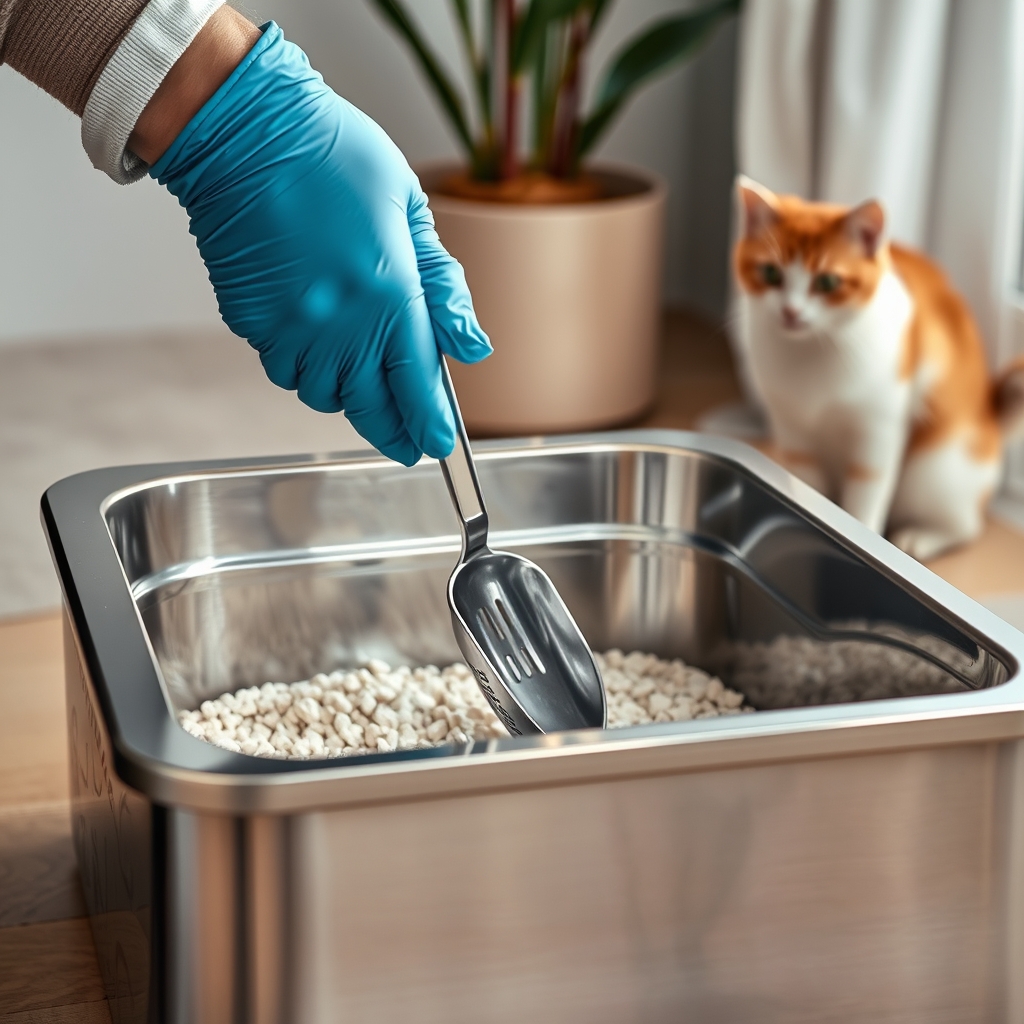
Step-by-step cleaning routine:
- Remove clumps and waste with a metal or sturdy scoop after each use.
- Once a week, empty all litter and rinse the box with hot water and mild, unscented soap.
- Allow the box to air-dry or towel-dry it fully before refilling with clean litter.
- For deep cleaning (monthly or after illness), soak the box in a vinegar-water solution for 5–10 minutes, then scrub and rinse.
Studies show this method, paired with stainless’s natural resilience, delivers up to 95.6% better odor suppression than plastic. Clumps and stuck waste release more easily from steel’s smooth surface, reducing how much scrubbing is required. You’ll spend less time cleaning and less money on replacements—especially in homes with multiple cats. For extra tips, check out our interactive cat care tips.
Durability, long-term ROI & the three most common complaints from owners who switch
Stainless steel litter boxes outlast plastic alternatives by a wide margin—5–15 years vs. 6–24 months on average. Over the lifespan of a single steel box, most owners would have replaced a plastic box 4–8 times. For a standard-sized scratch resistant metal litter box, this translates into a cost per year of roughly $6–$14, compared to $12–$30 for plastic boxes that need frequent replacement.
Still, switching is not without challenges. Here are the three most common owner-reported complaints, and what to do about them:
| Complaint | Why It Happens | Quick Mitigation |
|---|---|---|
| Higher upfront cost | Steel manufacturing is pricier and units are built to last | Divide cost by lifespan—it’s much cheaper per year; wait for sales |
| Heavier weight | Steel is denser than plastic; large boxes can weigh 6–10 lbs empty | Buy a model with side handles; use a rolling mat or stay in one spot |
| Louder noise (claws/litter on metal) | Hard, echoing surface amplifies sound | Add a rubber-lined rim or sound-dampening mat underneath |
Transparent advice matters. Owners often report that while steel boxes solve hygiene and odor issues, they’re surprised by the increased noise and the box’s heft. Yet, smart mitigations and correct placement usually resolve these issues, making the ROI more favorable with each passing year. For an honest buyer perspective, see this deep-dive at Meowant or our summary of downsides versus plastic in pet gear comparisons.
Missing criteria #1: Acoustic performance—what to ask and why it matters
Competitor guides often fail to quantify how loud a stainless steel litter box can be during cat use. Claws on metal can produce a sharp, squeaking or tinny sound that may disturb both cats and people. If you share living space with skittish cats or noise-sensitive family members, ignore this at your peril.
Before buying, look for:
- Products with published decibel ratings (rare, but valuable—aim for boxes under 55 decibels during typical use)
- Sound-mitigation features like bonded rubber/silicone liners, anti-vibration feet, or plastic-coated rims
- User reviews mentioning noise, squeaks, or startled cats
Many owners minimize noise by placing the box on a thick rubber mat or using extra litter depth. If the brand doesn’t mention anything about acoustic design, assume it will be noisier than plastic. For a broader look at what buyers care about, visit our cat behavior and sound sensitivity guide.
What Most Competitor Guides Miss
- Acoustic noise ratings—very few guides mention quantifiable sound data or features to reduce noise.
- Detailed litter and automation compatibility—knowing exactly which litters and robotic cleaners work with metal.
- Sustainability & warranty metrics—most reviews never mention recyclability, warranty length, or anti-skid/ergonomics for cat safety.
Missing criteria #2: Litter and automated-cleaner compatibility checklist
The best non-plastic cat litter box is only as convenient as the litter and gadgets it works with. Not all litter types perform equally well with stainless. For odor resistant litter box performance, here’s what to check:
- Clumping clay litter: Excellent—sticks less to non-porous steel, easy to scoop
- Silica, crystal, recycled paper: Generally compatible, but larger box needed for low-dust types (minimizes scatter)
- Non-sticking coatings: Some steel boxes offer these—improve clump removal
- automatic/self-cleaning robot compatibility: Measure your robot’s raking or scooping arm width; large, straight-sided steel boxes tend to work best, but always verify dimensions and shape with auto-cleaners
Always check manufacturer specs for compatibility with your preferred litter and any automation. Many competitor articles skip these buying checks and don’t specify what works in the real world. Want to upgrade to smart feeders or sensor-based gadgets too? Explore our smart pet tech guide for checklists on device compatibility.
Missing criteria #3: Sustainability, warranty & ergonomic design
Eco-conscious owners increasingly demand responsible materials. Stainless steel boxes are fully recyclable at end of life, unlike most plastic boxes. Reputable brands typically offer multi-year warranties on welds and finish (look for 2–5 years as a baseline). Advanced scratch resistant metal litter box models now add anti-skid feet, rolled ergonomic rims for comfort, and user-friendly handles.
Points usually missing in mainstream reviews:
- Total life-cycle recyclability—choose boxes made from 304 or 316 stainless for maximum corrosion resistance and eco-friendliness
- Warranty details—avoid no-name brands lacking real coverage or after-sales support
- Anti-skid/ergonomic features (especially for senior cats or large cat breeds)
Sustainability matters not only for the planet, but for your wallet—an indestructible box you won’t replace in a year is the greenest option. For more pet gear with an eco angle, see our guide to sustainable dog care gear.
Practical buying checklist—exact specs to require from product pages
- Material grade/finish: Look for 304/316 stainless (rust-proof, food-grade)
- Bacteria retention/cleaning claims: Seek products citing the 2% vs. 45% benchmark for real performance data
- Service life estimate: Minimum 5 years, ideally 10+ years
- Noise reduction features: Decibel ratings, rim lining, mats included?
- Product weight: Note box weight empty—5–12 lbs for stainless steel litter box large models is typical
- Litter/automation compatibility: Box dimensions, robot rake width, litter type recommendations
- Warranty: Two years or longer for welds/corrosion
- Anti-skid features/handles: Non-slip feet and side handles add value
- Dimensions: For large or multi-cat homes, look for at least 22″ x 16″ x 6″ or larger
Demand transparency on all of the above—don’t settle for vague marketing language. For further checklist-driven recommendations, browse our full product review sections.
How to transition your cat from plastic to steel (minimize stress and noise)
Switching to a stainless steel litter box for smell control is smart, but cats like continuity. Here’s how to make the change seamless:
- Place the new box next to the old plastic one for several days
- Mix a small amount of used litter from the old box into the new one to transfer familiar scents
- Use a soft, thick litter mat underneath—reduces both noise and physical transition shock
- Adjust litter depth (1–2 inches is ideal); make sure favorite litter brand is compatible
- Monitor behavior—if your cat avoids the new box, try a shallower litter bed or add a cover for privacy
Noise is a top complaint with stainless upgrades—owners consistently note the sharper sound of litter hitting metal and claw squeaks. Place the box in a low-traffic area, use a sound-dampening mat, and consider a rim liner if your cat is skittish. Remind yourself that cleaning is much faster (3–5 minutes), making the overall experience easier for both you and your cats. If you need more tips on easing behavioral changes, we cover this in our cat enrichment guide.
Quick FAQ / buyer objections answered
Is a stainless steel litter box really worth the higher price?
Yes—spread across 5–15 years of use, even the priciest steel box is typically cheaper per year than replacing plastic. You also gain superior hygiene, much lower odor, and fewer wasted hours cleaning and scrubbing.
They seem heavy to move. Any easy solutions?
Most quality stainless steel boxes weigh 6–12 lbs (empty). Choose models with side handles or keep the box in a fixed spot. For portability, place the box on a rolling mat or low-friction surface.
Will this actually solve my cat’s litter box smell problem?
Nearly always—steel’s non-porous surface means almost no bacteria or urine can embed after washing. Studies show about 95.6% better odor suppression versus typical plastic boxes.
What if my cat doesn’t like the metal box or the noise?
Transition gradually by mixing old and new boxes and using extra litter and a thick mat to reduce noise. Most cats adapt within days, especially if the box is placed in a familiar spot.
Are these boxes truly sustainable?
High-grade stainless steel is fully recyclable and built to last many years, unlike plastic boxes which rarely survive more than two years and often end in landfill.
Final recommendation & CTA (how to choose the right model for your home)
Whether you’re a budget-conscious buyer, need a heavy-duty solution for tough odors, or want a stainless steel litter box large enough for multiple cats, the evidence favors steel. The near-zero retained bacteria after washing, combined with the much longer lifespan of 5–15 years, justify the investment—especially for practical, detail-oriented cat owners who value cleanliness and true odor control. Use the buying checklist above, demand published specs and warranty info, and make sure the model you choose fits your cat’s habits and your home’s noise tolerance.
Ready to upgrade? Compare 2–3 reviewed models side-by-side using the exact criteria above, and start enjoying a fresher cat box experience with long-term savings. For more unbiased, evidence-first pet gear guides, see our latest home and pet product reviews.