

### Blog Post:
Dark wood dresser shopping in 2024 is not just about style—it’s about understanding real prices, durability, and which features signal lasting value for your bedroom. Whether you’re eyeing a modern walnut chest of drawers or a vintage mahogany dresser, this guide gives you clear facts, actionable steps, and styling know-how, so you can buy or restore confidently—and avoid costly mistakes.
Key Takeaways
- Expect 2024 new solid dark wood dressers to range from $950–$1,300, with used examples typically fetching 45–55% of their original price.
- Thoroughly inspect drawer alignment, finish condition, veneer edges, and hardware—common problem areas can greatly affect value and longevity.
- Proactive maintenance and smart styling are essential for maximizing your investment—vital details most articles skip.
- Price Expectations & Resale Reality
- Step-by-Step Guide: Inspecting & Buying
- Advanced Analysis & Common Pitfalls
- Conclusion
- FAQ
Price Expectations & Resale Reality
Most buyers want to know: What’s a fair 2024 price for a solid dark wood dresser—mahogany, cherry, or walnut—and what can you expect if you later resell? For new pieces at mainstream retailers like Wayfair, Crate & Barrel, Pottery Barn, or Overstock, standard prices range from $950 to $1,300, depending on size and wood species. Walnut chests of drawers and dressers cluster near $1,200, mahogany dressers average about $1,150, and cherry wood dressers are usually around $1,000.

If you’re looking at resale or vintage, expect most used solid-wood dressers in good condition to go for 45–55% of the original retail price—so a $1,200 walnut dresser will sell for $520–$660, while high-end vintage walnut can reach $800–$1,500 (especially iconic mid-century or named pieces [source]). For sellers, this means well-maintained dark wood furniture retains value far better than mass-market engineered wood.
When is vintage a financial win? If you find a solid walnut, mahogany, or cherry dresser—especially with original hardware and intact joinery—for under $700, you’re often getting quality and resale potential that beats most new mass-market units. Always inspect carefully for underlying issues, which can make or break a supposedly “great deal.”
Want to compare with high-value living room trends? Explore soft, curved sofa picks that are surging at trade shows for another long-term investment.
Step-by-Step Guide: Inspecting & Buying
Before you buy a dark wood dresser—new or vintage—use this sequence for a hands-on or virtual inspection. This process works for both in-store buys and online listings (where you’ll need to request extra photos).
- Inspect Edges: Solid wood shows consistent grain wrapping the edge and underside. Veneer reveals a “layered” look or a change in grain direction.
- Drawer Checks: Remove a drawer—solid units use dovetail (or locking) joints, have finished backs/undersides, and wood slides. Light, wobbly drawers or pressed-wood bottoms signal engineered components.
- Grain & Weight: Continuity of grain from top to side hints at solid lumber. Solid dark wood dressers are heavy (often 120+ pounds for a 6-drawer unit), while veneered or engineered wood feels much lighter.
- Hardware: Wiggle every handle/knob. Original hardware is often brass or cast, not modern hollow metal. Loose, squeaky, or missing pieces deserve a price reduction or replacement plan.
- Labels/Marks: Look for branded stamps, maker’s marks, or country-of-origin stickers inside a drawer or behind the unit. Trusted names mean better resale, especially for vintage finds (think Broyhill, Lane, Drexel, Danish mid-century). Learn more from expert value lists here.
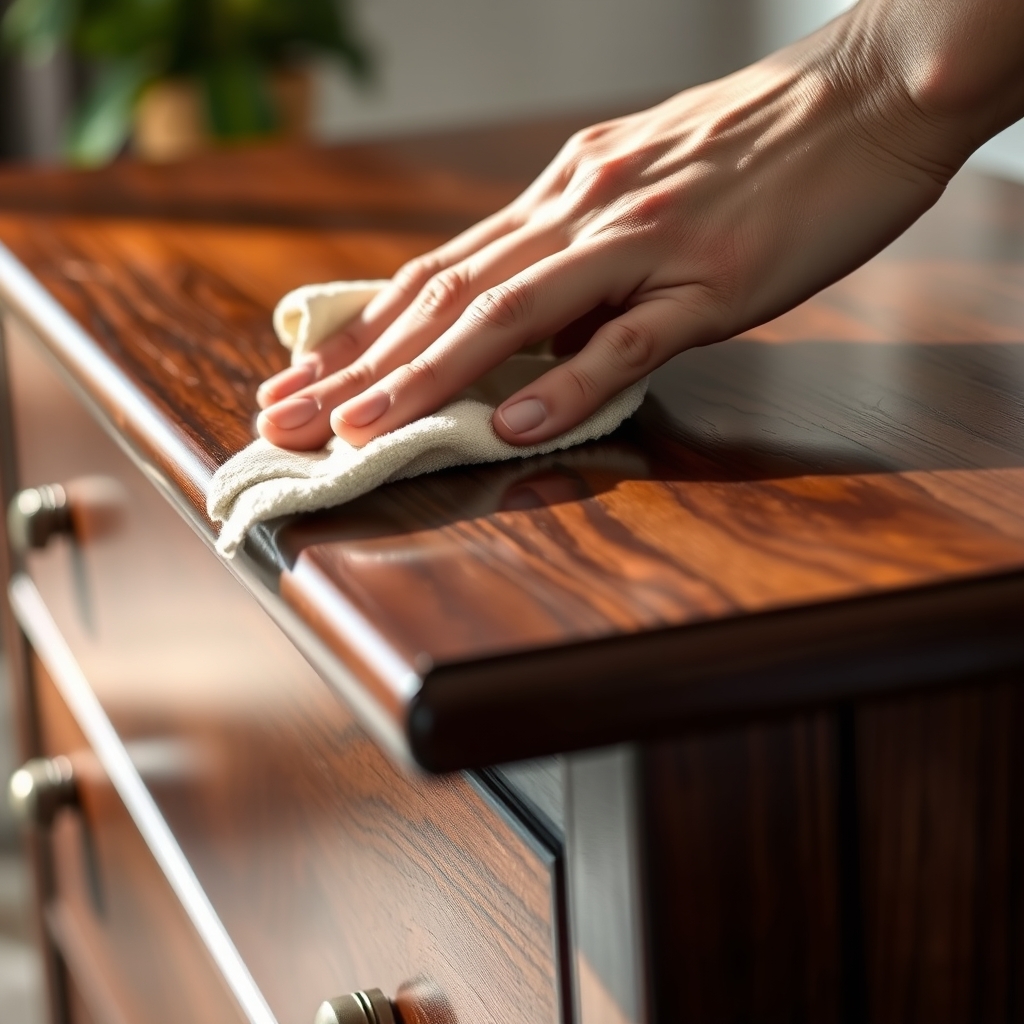
- Check for Damage: Pay close attention to finish wear (dull areas, water rings), wood splits, veneer bubbling/cracks (particularly on drawer fronts), and any signs of past repairs. For vintage dark wood furniture, inspect for worm tracks, powdery dust (insect presence), and deteriorating glue at joints.
- Ask About Maintenance: Has it ever been re-oiled or re-waxed? Well-maintained pieces will have a uniform, non-sticky finish, smooth drawer glide, and tight joints.
- Review Delivery & Return Policy: For large, heavy dressers, confirm that the seller or store provides safe delivery or allows in-person inspection before purchase.
If you need inspiration for finishing a dresser project—and want textural storage pieces for a child’s room—see our low Montessori floor bed guide for more durable wood finds.
Advanced Analysis & Common Pitfalls
Even experienced buyers overlook certain issues with dark wood dressers, especially vintage or secondhand ones.
| Issue | New Dressers | Vintage/Used Dressers |
|---|---|---|
| Finish Wear | Minor, mostly on display models | Frequent: fading, stains, scratches |
| Drawer Problems | Occasional alignment issues | Common: binding, sticking, gaps |
| Veneer Issues | Rare if true solid wood; be careful with “solid wood composite” | Cracking, peeling, bubbling typical |
| Hardware | Sometimes loose or lightweight | Missing, mismatched, or non-original often found |
| Weight/Movement | Heavy but manageable | Very heavy; risky for solo moves—damage and injury risk |
| Hidden Problems | Occasionally manufacturing residue or glue inside | Insect/termite damage, hidden repairs, old glue failure |
Extra pitfalls for vintage cherry wood dresser and dark wood nightstand buyers:
- Moisture splitting—look for cracks on back, sides, or inside drawers where ambient humidity changes cause wood to expand/contract.
- Odors—musty or chemical smells signal previous water exposure or refinishing attempts with harsh products. Let units air out, or use specialized wood cleaners.
- Missing or replaced hardware—lowers collectible value and may require hunting for period-accurate pulls or knobs. eBay is a top place for vintage hardware.
- DIY repairs—look for signs of amateur refinishing. Sloppy stain or shiny polyurethane over old lacquer can cause peeling or finish incompatibility later.
Always keep incoming furniture elevated or place felt pads to prevent floor scratches, especially on heavy walnut chests of drawers. For more moving and refurbishing strategies, check out our arch mirror guide for tips that cross over to larger furniture.

Conclusion
The smartest approach with any dark wood dresser is to combine honest price research, hands-on inspection, and a clear maintenance and styling plan. In 2024, focus on verifying solid wood construction, smooth drawer action, and a finish you can live with—or reasonably fix. Use the 45–55% resale rule as your price anchor for negotiations and as a guide on when restoration is worth it. Ready to upgrade your bedroom? Decide if a new or vintage dark wood dresser best fits your style, budget, and sustainability goals—then use this checklist, or see our boucle chair guide for a soft, modern sitting companion to your dream dresser.
Take action: save this page as your dresser-buying cheat sheet for every store visit, online search, or vintage hunt!
FAQ
How can I tell if a dark wood dresser is solid wood or veneered?
Check the grain continuity over the edge and underside; solid wood wraps naturally, while veneer shows a thin layer or change in direction. Remove a drawer—solid wood often features dovetail joints and sturdy, finished backs. Weight is another clue: solid dressers are much heavier than engineered versions.
What’s typical maintenance for mahogany or cherry dressers?
Dust weekly with a microfiber cloth. Every 3–4 months, gently clean with a damp, well-wrung cloth followed by dry wiping. Once a year, check for humidity swings and re-oil or re-wax with products safe for mahogany, cherry, or walnut. Address scratches or dull spots promptly.
What’s a red flag when buying a used walnut chest of drawers?
Be wary of missing hardware, sticky or gapped drawers, veneer bubbling, strong musty or chemical smells, insect tunneling, and evidence of past water damage. Any splitting in the wood or lightness in weight can signal compromise in structure or value.
How can I style a dark wood dresser in a modern bedroom without making it look too heavy?
Balance the deep tone with lighter wall colors (off-white, pale gray, blush), layered lighting (table lamps, sconces), and soft, textured rugs. In small rooms, use mirrors and minimalist decor to keep the atmosphere open. See our arch mirror guide for ideas.
What’s the best way to move a vintage dark wood dresser safely?
Remove drawers, wrap corners, and lift from the base—not handles or top. Use furniture sliders for short moves and always enlist help for units over 100 pounds to prevent injury and structural damage.
—