

Heat pump water heater upgrades are getting attention because they can slash energy bills and qualify for sizeable rebates, but are they truly a money-first choice over tank and tankless water heaters? Let’s unpack the costs, savings, and incentives in simple numbers—so you can calculate real payback, not just marketing promises.
Key Takeaways
- Heat pump water heaters usually cost more upfront than tankless or standard tanks, but lower energy bills and generous rebates can make them the most cost-effective option over time.
- Federal, state, and utility heat pump water heater rebate programs can reduce your net cost by $800–$2,000+, depending on your location and income level.
- Understanding eligibility, timing, and paperwork for rebates is essential—miss a step, and you could leave hundreds or thousands on the table.
- Executive summary — which water-heater type saves the most money after rebates
- Upfront costs — what you’ll pay out of pocket (unit, install, common add-ons)
- Lifetime costs and savings — operating costs, maintenance, and lifespan
- Federal, state and utility rebates — what’s available and who qualifies
- How rebate eligibility typically works — documentation, income tiers, contractor requirements
- Real-world maintenance & performance issues reported for hybrid (heat-pump) installs
- Step-by-step decision checklist and ROI calculator inputs for the reader
- Practical next steps — hiring contractors, applying for rebates, and timing tips
- Appendix — quick reference table of example rebates & resources
- FAQ
Executive summary — which water-heater type saves the most money after rebates
Looking at the numbers side-by-side, heat pump water heaters (aka hybrid water heaters) stand out for long-term savings—especially after rebates. While their unit and installation costs run $1,900–$4,200 before incentives, they often use just a third of the annual energy of a gas tankless or standard electric tank, leading to ongoing utility savings of $200 or more per year. Current rebates and tax credits can cut net upfront costs by $800 to $2,000 or more, depending on where you live and your household income. If you want the lowest total cost of ownership, especially if your home qualifies for incentives, energy efficient water heater cost math usually favors a heat pump water heater versus a tankless system for most homeowners and landlords.
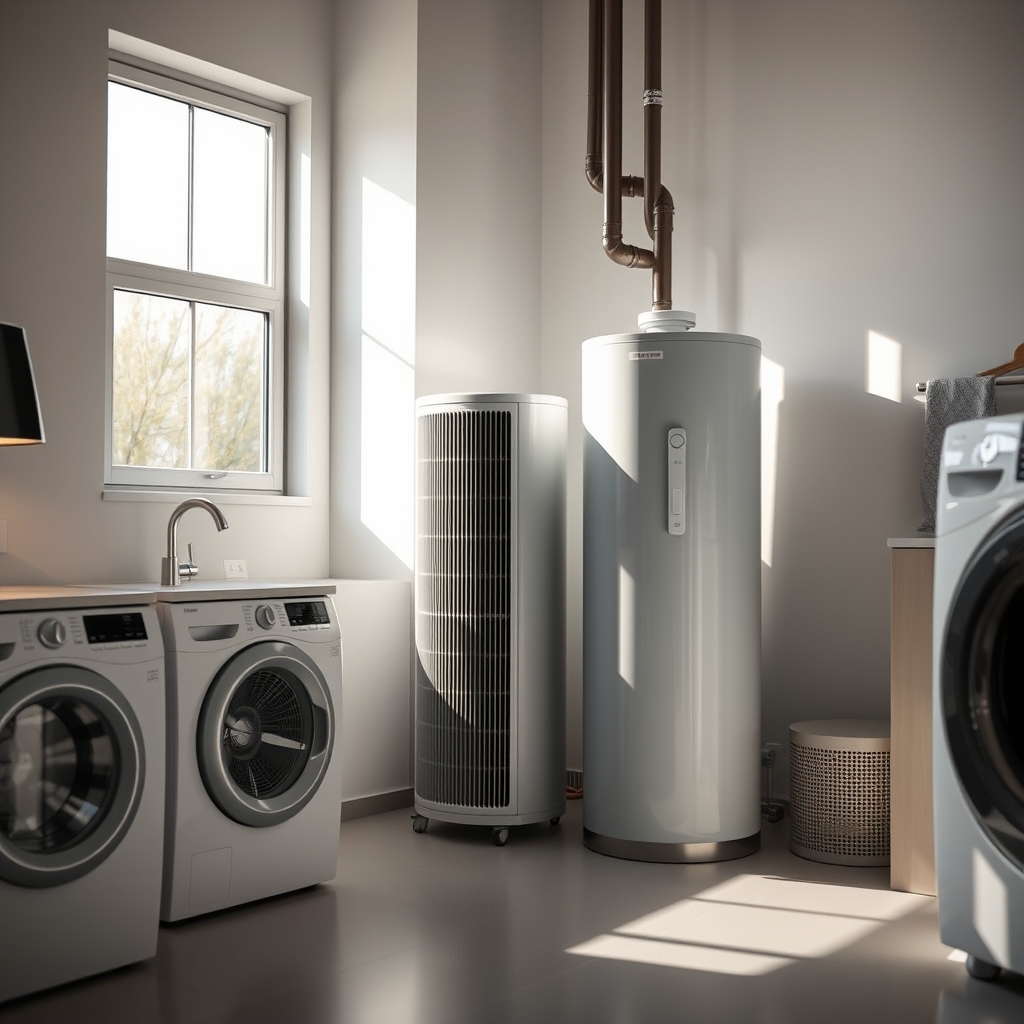
Upfront costs — what you’ll pay out of pocket (unit, install, common add-ons)
To estimate your total bill, it’s essential to separate the hardware cost from installation and possible add-ons:
- Heat pump water heater units: $1,400 to $3,000 is the typical retail range for 50–80 gallon models. Higher capacity and ENERGY STAR models may cost more.
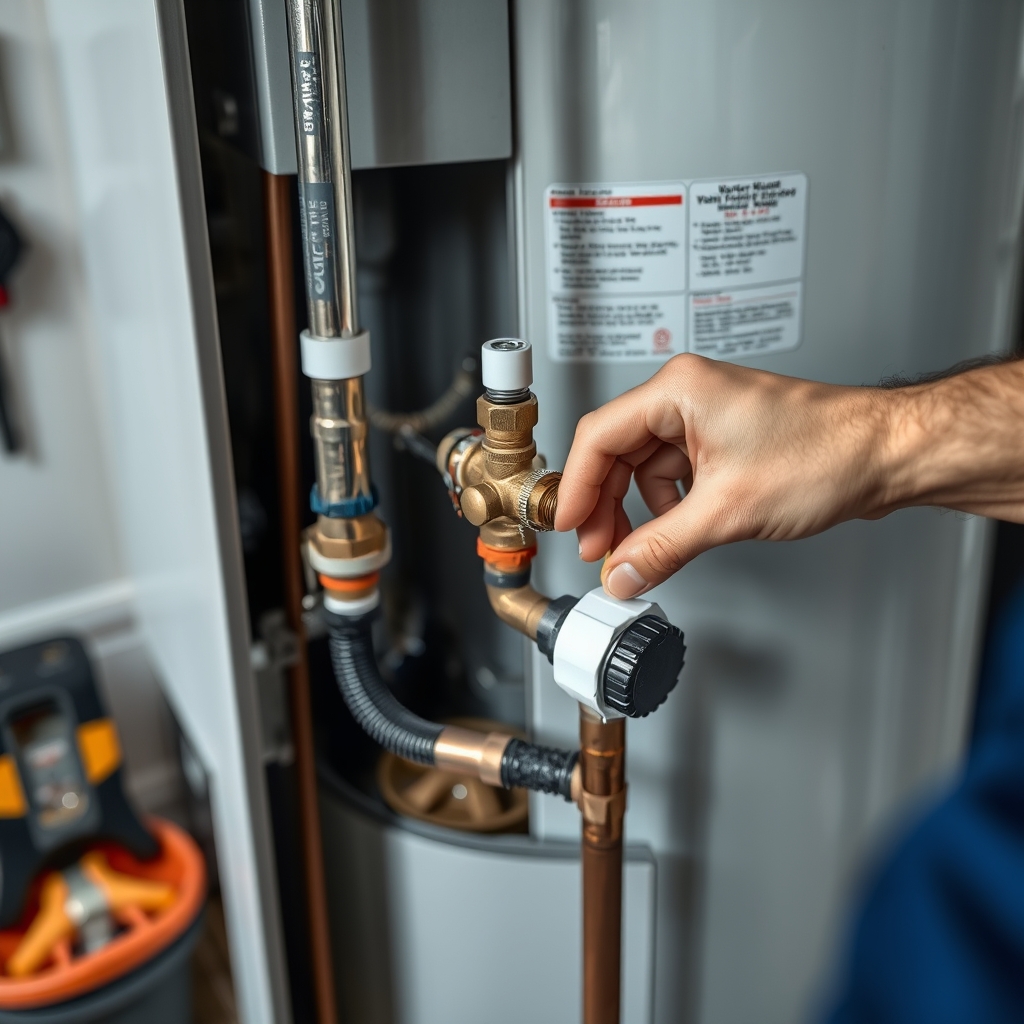
- Hybrid water heater installation: $500 to $1,200 for standard retrofits; complex electrical upgrades, new drain lines, or space modifications could add $500–$2,000.
- Tankless units (gas/electric): $600 to $2,000 but install labor is usually $1,000–$3,500 due to venting, gas line, or electrical upgrades.
- Out-the-door range: Heat pump water heaters: $1,900–$5,000. Tankless: $1,600–$5,400 for challenging installs.
Ask every contractor for a quote that breaks out equipment, labor, disposal fees, electrical, venting, and drain work. Complexity and local utility rules can swing the price by thousands.
For more renovation tips, see our proven apartment transformation guide.
Lifetime costs and savings — operating costs, maintenance, and lifespan
Running the real math over a 10–15 year period is where heat pump water heaters often win over tankless. Here’s a breakdown using researched averages:
| Type | Unit + Install | Annual Energy Cost | Lifespan (Years) | 10-yr Op. Cost | Rebate Eligibility |
|---|---|---|---|---|---|
| Heat Pump (Hybrid) | $1,900–$4,200 | $110–$160 | 12–15 | $1,100–$1,600 | $800–$2,000+ |
| Gas Tankless | $1,600–$5,400 | $250–$450 | Up to 20 | $2,500–$4,500 | Up to $300 (some utilities) |
| Standard Electric Tank | $800–$2,500 | $400–$600 | 10–15 | $3,000–$6,000 | Rare |
Worked Example: If you replace a 50-gal electric tank (annual bill $500) with a $2,500 heat pump water heater (install included), collect an $800 rebate, and drop your energy use to $130/year, you’ll pay just $1,700 after rebate, and save about $370/year on bills. Your simple payback: $1,700 ÷ $370 ≈ 4.6 years. After that, pure savings.
Lifespan matters—hybrid water heater installation usually gets you 12–15 reliable years (some parts may need early replacement). Tankless gas heaters last closer to 20 years but don’t have the same level of rebates or energy savings, and yearly maintenance is a must.
Federal, state and utility rebates — what’s available and who qualifies
The best way to shrink your energy efficient water heater cost is by stacking rebates and tax credits:
- Federal Tax Credit: The Energy Efficient Home Improvement Credit covers up to 30% of heat pump water heater project costs (up to $2,000 max) for installs between January 1, 2023 and December 31, 2025. Full details here.
- Utility examples: Seattle City Light offers up to $800 for qualifying models (current offer). Puget Sound Energy provides up to $300—but mostly for gas tankless units.
- State/income programs: EnergizeCT will fund up to $1,900 for qualifying income-eligible installations (starting June 1, 2026). Details here.
Many states follow similar rules—licensed contractor required, project and product eligibility, and paperwork proving purchase/installation dates. Always verify current amounts before buying; program caps and eligibility are subject to annual change or early depletion.
How rebate eligibility typically works — documentation, income tiers, contractor requirements
To maximize your rebate, follow these steps:
- Check program rules for income tiers:
- <80% of your state’s median income: up to 100% of government rebate allotted (see chart).
- 80–150% of median: typically eligible for 50% of posted limits.
- >150%: usually not eligible for extra state income-based rebates.
- Always use a licensed contractor and get a detailed invoice (make sure installation and equipment are separated out); this is essential for almost all rebate programs.
- Retain every receipt, product info, and contractor paperwork. For federal credits, claim via IRS Form 5695 (EnergyStar guide).
- Document with clear installation photos when possible—some utility programs perform post-installation inspections.
Real-world maintenance & performance issues reported for hybrid (heat-pump) installs
Before you commit, be aware of a few trade-offs unique to hybrid units:
- Shorter lifespan vs tankless: 12–15 years for heat pump water heaters vs up to 20 for tankless. Warranty service and timely part replacements are vital.
- Regular filter cleaning: Hybrid water heaters need simple but consistent cleaning of air filters—neglect leads to efficiency loss or early failure.
- Noise & space: Heat pumps generate a noticeable hum and require more space; don’t cram one into a tiny finished closet.
- Ambient temperature: Units work best above 50°F. Cool basements or garages may reduce winter efficiency—or need a backup heating element.
- Repair complexity: If the compressor goes, labor and specialized parts can mean longer outages or higher repair bills compared to older-style tanks.
If these are serious concerns, consider consulting your installer about hybrid water heater installation in a location with plenty of airflow and an easy condensate drain.

Step-by-step decision checklist and ROI calculator inputs for the reader
Here’s the process most homeowners use when considering a heat pump vs tankless water heater replacement:
- Gather your current annual water heating bill (review last 12 months’ of electric/gas bills).
- Request three quotes from local pros—for both heat pump water heater and tankless options. Insist on line-itemed costs: unit, labor, panel upgrades, venting, and disposal.
- Collect details on local rebates: check utility and state sites or call for live info.
- Identify your expected annual energy cost for each option. (Heat pump: $110–$160, Tankless: $250–$450, per cited averages.)
- Determine expected equipment lifespan (12–15 for hybrid, up to 20 for tankless/gas).
- Calculate simple payback: (Net installed cost after rebate) ÷ (estimated annual savings).
- Revisit all eligibility and paperwork steps—don’t miss documentation timing.
For ROI, example inputs:
- Installed cost (hybrid): $2,500 – rebate ($800) = $1,700
- Installed cost (tankless): $3,000 – rebate ($300) = $2,700
- Annual water heat spend: $500
- Estimated annual savings for hybrid: $370 vs old electric; $220 vs tankless
- Simple payback: $1,700 ÷ $370 ≈ 4.6 years
For more rental and energy project insights, explore our renovation strategy roundup.
Practical next steps — hiring contractors, applying for rebates, and timing tips
Ready to move? Here are smart next actions:
- Get at least three written quotes from local, licensed contractors—ask them to detail equipment, labor, upgrades, and rebate assistance.
- Contact your utility rebate hotline before signing or purchasing. Confirm program funds are available and your address is eligible.
- Document everything: serial number, install date, invoices, and contractor license number for rebate and tax filings.
- Check program expiration dates—federal tax credits are currently set to expire after December 31, 2025, unless renewed. Don’t wait if you want guaranteed credit.
- For landlords or multifamily owners, ask about additional incentives for rental or small multifamily properties—some areas offer “high impact” bonuses. Internal renovations? Our rental-friendly renovation guide can help maximize rebate stacking.
Act early to avoid delays and maximize available incentives.
Appendix — quick reference table of example rebates & resources
| Program | Type | Max Rebate/Tax Credit | Where to Apply/More Info |
|---|---|---|---|
| Federal Energy Efficient Home Improvement Credit | Tax Credit | 30% (up to $2,000) | EnergyStar Info |
| Seattle City Light | Utility Rebate | Up to $800 | Rebate Details |
| Puget Sound Energy | Utility Rebate | Up to $300 (gas tankless) | Rebate Details |
| EnergizeCT (after 6/1/2026) | State + Income | Up to $1,900 (low income); $1,000 install bonus | CT Rebates |
| Best Tools & 2026 Rebates List | Rewiring America Cost Guide | Varies | Tool Here |
Bookmark and check these sources often—rebate offers shift every year. For more cost-cutting solutions, browse our home renovation picks. Want the best heat pump water heater 2026? Start with top-rated ENERGY STAR models listed on efficiency program sites.
FAQ
How long do heat pump water heaters typically last?
Most heat pump water heaters deliver 12–15 years of service if maintained well. That’s a bit shorter than tankless (often up to 20 years), but comparable to standard tanks.
Do I need new electrical wiring for a heat pump water heater?
Maybe. Many hybrid units require a dedicated 240V circuit (like a dryer or oven). If your panel is full or older, budget for an electrician’s assessment and possible upgrade.
Can I stack federal and utility rebates?
Yes, in most cases, federal, state, and utility benefits can be combined—but always confirm with your local utility and IRS guidelines, as some rebates may reduce the amount eligible for tax credit.
Are all heat pump water heaters eligible for rebates?
No—only certain ENERGY STAR or high-efficiency models qualify, and you must use a licensed contractor for nearly all utility/state programs. Always check the official program list.
What if my home is a rental or small multifamily?
You often qualify for the same rebates as homeowners, but check local programs for small multifamily or rental-specific incentives. Our rental-friendly renovation guide has more on maximizing upgrades in these situations.
Conclusion
If peeling back every cost and incentive matters to your wallet, the heat pump water heater usually wins for long-term savings—especially with stacked rebates and tax credits. Compare quotes, document every step, and use real annual savings to calculate payback before you buy. Ready to start? Gather your quotes and rebate info now to cut your energy efficient water heater cost for years ahead.