

Montessori floor bed safety and setup is quickly becoming a top concern for parents moving their toddlers to independent sleep—and for good reason. This practical guide blends real parent complaints, updated 2024 benchmarks, and detailed room-prep advice so you can confidently pick a safe, durable Montessori floor bed that truly supports your child’s independence.
Key Takeaways
- Not all Montessori floor beds are equally safe—focus on hardware, certifications, and baby-proofing the entire room.
- Durable, certified, low-emission materials are worth the investment for years of safe, independent sleep.
- Real-world issues (wobble, improper rail spacing, poor ventilation) matter more than stylish photos—always check actual specs before you buy.
- What is a Montessori floor bed — and when to switch from a crib?
- Montessori floor bed setup: essential steps for parents
- Advanced analysis and common pitfalls
- Final recommendation & next steps
- FAQ
What is a Montessori floor bed — and when to switch from a crib?
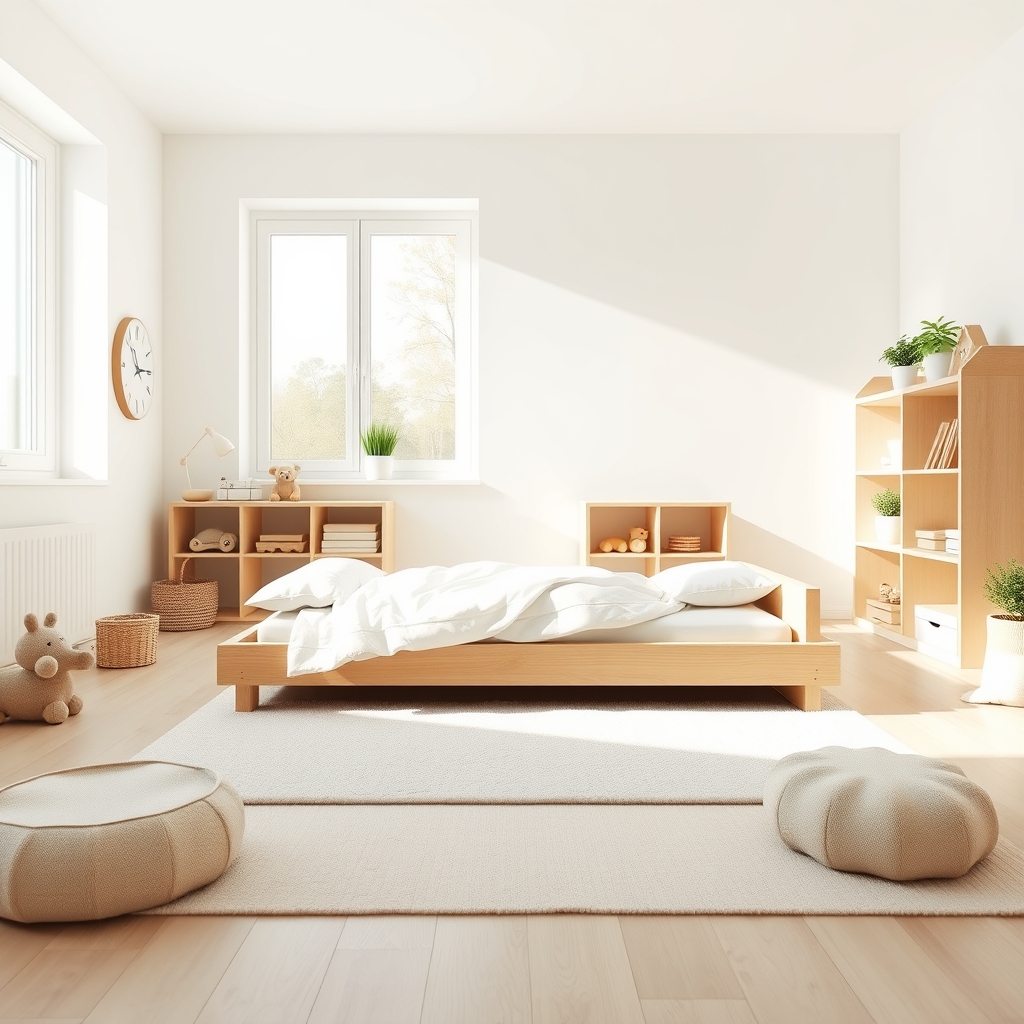
A Montessori floor bed is a low-to-the-ground child’s bed that allows independent movement—unlike a crib or classic toddler bed, it invites your child to engage with their room on their own terms. The design intentionally removes physical barriers, making it easy for your toddler to climb in and out independently, supporting early self-regulation and fostering daily confidence in movement. Research shows: “The low-to-the-ground design lets your child climb in and out on their own, encouraging self-regulation of sleep and confidence in movement.”
Most parents consider switching from a crib to a toddler floor bed once their child outgrows the crib’s safety height (typically when they can climb out, or around 18–36 months old). Taller babies, or those who show clear curiosity for more independence, may be ready sooner. Unlike cribs, Montessori beds transform the entire bedroom into a safe space for independent exploration. This shift can help curb bedtime resistance and promote healthier sleep habits.
Montessori floor bed setup: essential steps for parents
Setting up a Montessori floor bed requires more than just assembling a frame. To ensure true safety and support independence, you’ll want to follow a proven set of steps:
-
Select the right Montessori floor bed:
- Check for third-party safety certifications (like CPSC, ASTM, or GREENGUARD Gold).
- Look for sturdy hardware, tight slat/rail spacing, and real wood or low-VOC plywood for durability (example here).
-
Measure and tape off safe clearances:
- Maintain at least 6 inches (ideally 12) between the bed and all walls or radiators to reduce entrapment or suffocation risk.
- Leave clear access points for your child to easily come and go from the bed—avoid tight corners or cluttered pathways.
-
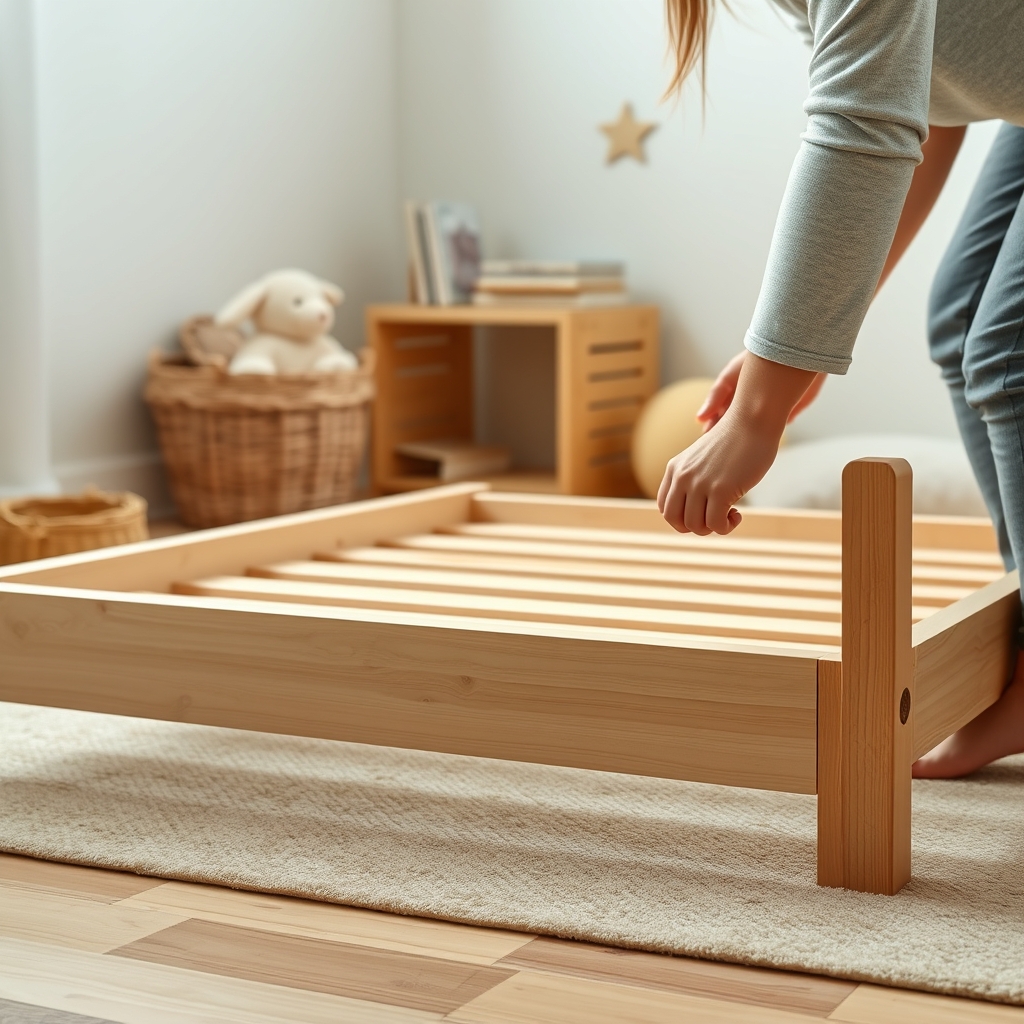
Assemble and check hardware:
- Follow all instructions step by step.
- Torque-check all bolts and screws after assembly (loose hardware is a top parental complaint).
- If your montessori bed frame includes removable rails, make sure rails are secure and inspect for pinch points before use.
-
Baby-proof the entire room:
- Anchor all dressers and shelving to the wall using furniture straps.
- Cover all electrical outlets and secure cords out of reach.
- Remove or lock up any choking hazards, sharp objects, or accessible small items from the room.
- Use anti-slip pads on rugs and consider soft bumpers or mats alongside the bed for extra protection against minor falls.
-
Promote mattress ventilation:
- If using a floor bed no legs (mattress on floor), periodically air it out by lifting or propping it up during the day to prevent mold buildup.
- For a low platform bed for kids, make sure slats are spaced for ventilation per manufacturer recommendation (usually no more than 3 inches apart). For extra protection, consider adding a mattress ventilation product.
-
Confirm weight limits and plan for growth:
- Verify the max weight rating supports both your child and any occasional adult presence (for reading or comforting at bedtime).
- Consider models with adjustable or removable rails for long-term adaptability, as many premium options allow this.
-
Periodically inspect and maintain:
- Mark a calendar reminder to recheck and tighten all hardware monthly.
- Wipe all wooden surfaces with a soft damp cloth and mild cleaner; avoid soaking wood or abrasive chemicals.
- Check for finish chipping and splinters, especially after moving the bed or heavy play.
For a more detailed breakdown of price and feature tiers, see the section below or read the best Montessori floor bed 2024 summary.
Advanced analysis and common pitfalls
Even quality Montessori floor beds can fall short in ways that matter. Parents most often complain about frame wobble, hardware loosening, poorly spaced rails or slats, and surprising durability problems—all of which can impact safety and longevity. Here’s a quick comparison to help you avoid the biggest pitfalls:
| Issue | Real Parent Complaint | What to Check |
|---|---|---|
| Falls (even from low beds) | Child rolled off in sleep or play, causing scares or bumps | Use soft rug, low bumpers, never place mattress against wall |
| Wobble/loose hardware | Bed moves or rattles after a few weeks/months | Monthly retightening; check reviews for solid construction |
| Problematic slat/rail spacing | Rails/slats too wide, risk of arm or head entrapment | Visually confirm <3-inch spacing for all rails and slats |
| Rail recalls, pinch points | Rails cause pinched fingers or are too loose/removable | Choose two-bolt secure rail systems, research recall history |
| Durability failures | Wood splits/chips, frame feels weak with heavier toddlers | Look for FSC/solid wood, avoid lowest price-point models |
| Low/no certifications | “Smelly” finish, unclear material sourcing | Only buy beds with clear GREENGUARD/certificates |
It’s also important to know how price affects what you get. Budget floor bed no legs setups ($300–$500) often use basic pine, thinner plywood, or minimal hardware, which can wear quicker. Mid- and premium options ($700–$1,200) typically provide solid wood frames (like birch, Baltic birch, or alder), thicker hardware, non-toxic oil or lacquer finishes, and superior safety standards—plus removable rails that add $100–$200 to the cost but extend product lifespan.
Remember, true longevity means easy-to-clean finishes, strong max weight ratings (accommodating co-sleeping or heavy toddlers), and at least a 1-year warranty. Many parents only realize after setup that mattress ventilation is critical, as trapped moisture from a mattress on floor setup can lead to odors or even mold growth. That’s why the best models combine slatted or slightly raised platforms with certified non-toxic finishes.

For more in-depth durability insights, see our toddler floor bed durability review and the latest parent forums discussing real-world use.
Final recommendation & next steps
Here’s what we recommend: Prioritize a Montessori floor bed made from FSC-certified wood, finished with low- or zero-VOC stains, and independently certified (CPSC, ASTM, GREENGUARD Gold). Expect $300–$500 for a reliable budget setup, or $700–$1,200 for a premium, solid wood, rail-equipped option. Never skip full-room babyproofing, monthly hardware checks, or mattress ventilation—these steps protect your investment and your child.
Ready to compare? Use our buyer’s checklist for quick decision-making, or download our printable safety checklist for your Montessori floor bed shopping trip. For more advice, check out our latest toddler bed reviews and find the low platform bed for kids that matches your safety, comfort, and budget needs.
FAQ
Can Montessori bed rails be removed later?
Yes—many models now feature removable or adjustable rails, so you can adapt the bed for your child as they grow. Removable rails typically add $100–$200 to the price.
How do I care for a wooden Montessori bed?
Use a soft cloth and mild, non-abrasive cleaners. Avoid harsh chemicals or soaking. Check and tighten hardware at least once a month.
Are floor beds safe for babies?
If the room is fully babyproofed, the bed frame and mattress are certified, and there’s proper clearance from walls and choking hazards, a toddler floor bed is a safe transition from the crib.
When should I choose mattress-on-floor versus a platform Montessori bed?
A mattress-on-floor setup is budget-friendly and very low, ideal for the youngest toddlers. A low platform bed for kids with slats provides better ventilation and longer-term durability as your child grows.
What’s the difference between a Montessori bed frame and a regular toddler bed?
A Montessori bed frame is intentionally low to the ground and designed for your child’s independent access—regular toddler beds are higher and may still use guardrails designed more for containment.