

### Blog Post:
Smart bird feeder technology has advanced rapidly, but picking a model that truly distinguishes birds with reliable AI and seamless mobile app integration isn’t as simple as following the latest hype. For tech-savvy backyard birdwatchers who expect evidence-backed recommendations and premium performance, cutting through the marketing noise is essential. Here’s how you can confidently invest in a smart bird feeder that balances real-world species ID accuracy, user-friendly app experience, and long-term ownership value.
Key Takeaways
- BirdBuddy 2 delivers the highest AI bird identification accuracy (~92%), followed by Kiwibit Bird Feeder 2 (~90%) and Netvue Birdfy (~85%).
- Strong app integration—real-time alerts, storage options, and camera controls—sets the best models apart, making daily use dramatically smoother.
- Common headaches include WiFi dropouts, solar charging inefficiencies, and missing features like night vision and dual-band WiFi support.
- Executive snapshot — which feeders actually identify birds best in 2026
- AI identification accuracy — how the numbers were reported and what they mean in practice
- App & ecosystem integration — which models work best with a smart bird feeder app
- Top user complaints buyers should weigh (connectivity, solar charging, installation, firmware)
- What top “best bird feeder camera 2026” articles are missing (three technical gaps)
- Practical evaluation checklist — how to compare models side-by-side
- Top recommendations and buying scenarios (which model for which user)
- Installation, connectivity and solar performance tips to avoid common pitfalls
- Subscription, privacy and long-term ownership considerations
- Quick buyer decision flow and CTA
- FAQ
Executive snapshot — which feeders actually identify birds best in 2026
The best smart bird feeder choices in 2026 stand out for data-driven reasons: BirdBuddy 2 achieves around 92% correct species matches, the Kiwibit Bird Feeder 2 is close behind at 90%, and Netvue Birdfy models reach 85%. All three also offer superior built-in app integration, giving you real-time identification notifications, access to ID history, and direct control of camera/feeder settings right from your phone. This combination—AI accuracy and true app ecosystem integration—should guide your purchase much more than marketing promises.
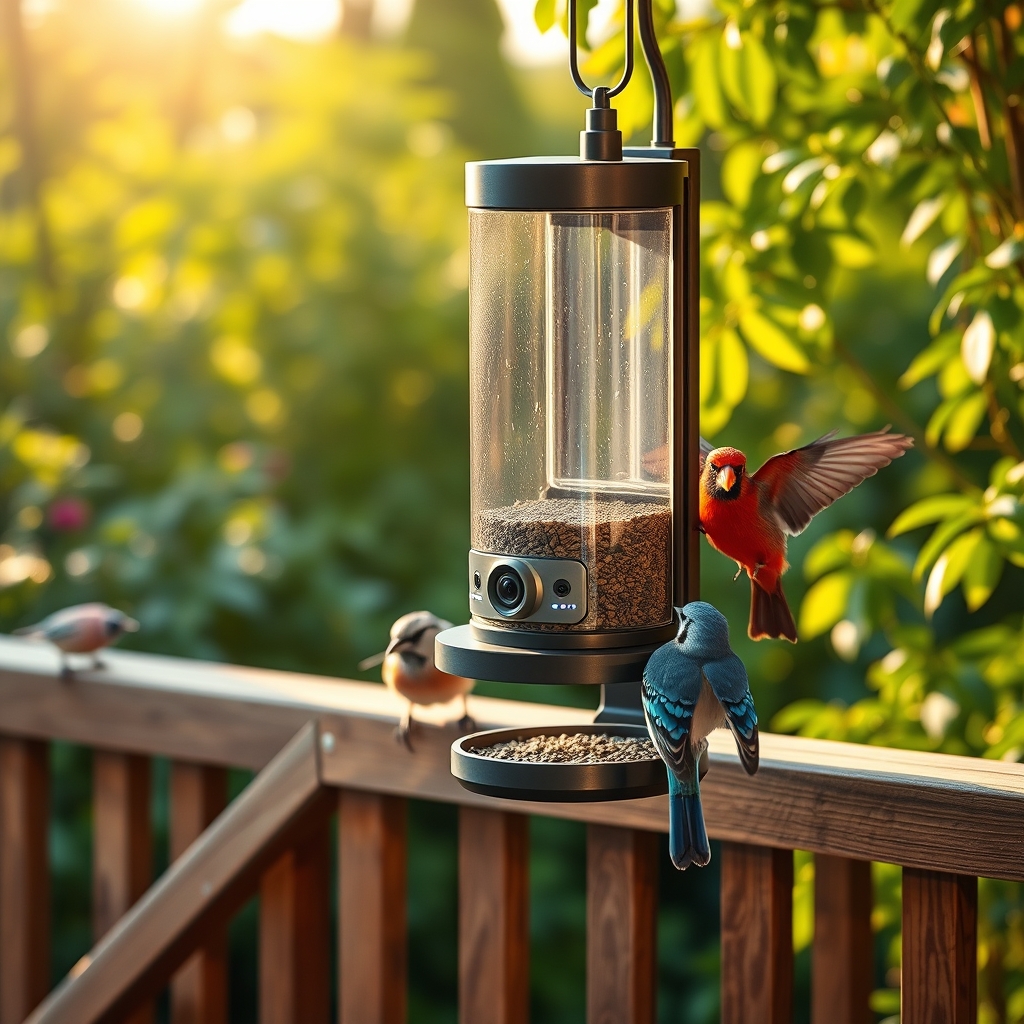
Data pulled from independent reviews and manufacturer sources confirm that species ID rates are not generic estimates—they reflect thousands of real-world identifications in North America and Western Europe. Ignore models that don’t clearly publish these numbers or lack a functional smart bird feeder app for day-to-day use.
AI identification accuracy — how the numbers were reported and what they mean in practice
When a company claims its AI bird identifying feeder boasts “90% accuracy,” what does that number actually mean? For BirdBuddy 2 (~92%), Kiwibit 2 (~90%), and Netvue Birdfy (~85%), the percentage reflects real-world success: out of 100 bird photo triggers, about 85-92 identifications are correct down to species level.
There are several caveats. Even top-performing smart bird feeders can confuse lookalike species—think female house finch and purple finch—or struggle with partial views and odd lighting. Most vendors tout their best-case results; independent reviewers, such as those at Reviewed.com, found that BirdBuddy 2’s claims held up best, with caveats during dawn/dusk or rapid movement. Models that don’t disclose test data or don’t publish regional species lists tend to underperform. Always look for both vendor and independent accuracy reports before you buy.
App & ecosystem integration — which models work best with a smart bird feeder app
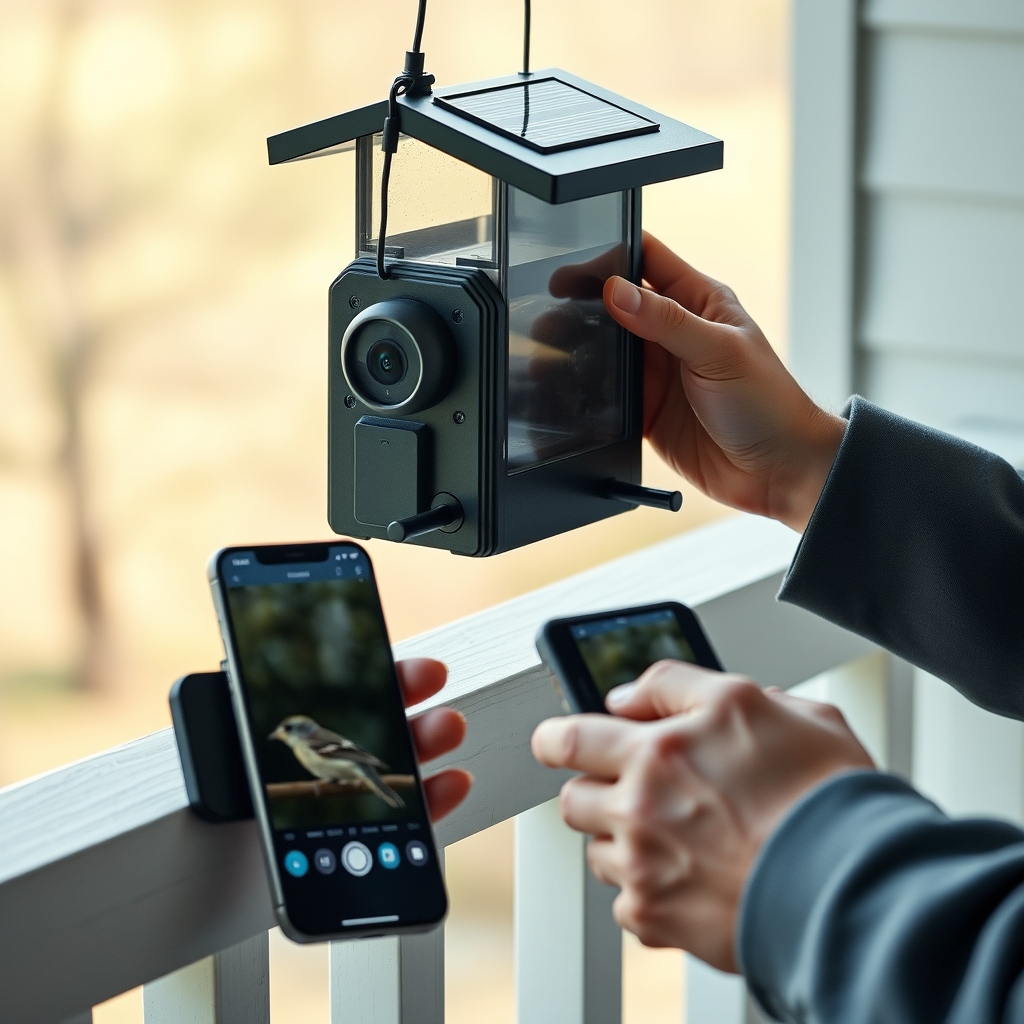
The experience of actually using your wifi bird feeder camera comes down to more than just the hardware. A tightly integrated smart bird feeder app should allow you to:
- Receive instant push notifications with photo and species ID.
- Scan a historical feed of identifications and video clips.
- Control camera settings (zoom, exposure, motion triggers) from anywhere.
- Choose between cloud storage (for easy access/sharing) and on-board microSD (for privacy or subscription-free operation).
- Upgrade or downgrade features via in-app subscription tiers.
BirdBuddy 2, Kiwibit, and Netvue excel here, offering the most seamless app-hardware connection. Research confirms these models deliver real-time notifications, flexible storage, and streamlined controls, all from within their native apps (Alibaba research). If the app feels clunky, requires awkward 3rd-party logins, or lacks live control, expect frustration in daily use.
For additional buyer tips about premium subscriptions, check out our test article for evaluating app-based home tech.
Top user complaints buyers should weigh (connectivity, solar charging, installation, firmware)
It’s not all sunshine and clear feeds. These recurring wifi bird feeder camera and solar bird feeder with camera complaints appear across forums and reviews:
- WiFi dropouts: 2.4 GHz connection, limited to short distances, often cuts out in larger or walled yards. Antenna placement and routers matter.
- solar charging inefficiencies: Even the best solar roofs yield sharply reduced battery life (1–2 weeks in cloudy seasons versus 1–2 months as advertised). This is especially true in shaded suburban yards.
- Cumbersome installation: Challenging mounts, inconvenient solar panel placements, and inaccessible charging ports frustrate even adept users.
- Firmware gremlins: Frequent microSD corruption, forced toggling of cloud upload, and excessive squirrel detection alerts plague major models—especially without recent firmware updates.
| Common Complaint | When/Why It Happens | Mitigation / Reality |
|---|---|---|
| WiFi drop-outs | Outdoors, >20m from router, on 2.4GHz only band | Use extenders/antennas; check for dual-band (2.4/5GHz) support |
| Solar battery shortfall | Shaded yards; winter; cloudy days | Supplement with battery, check solar orientation/cleaning |
| Confusing firmware | Early models; lack of updates | Update firmware regularly; choose brands with active support |
| False squirrel alerts | Sensitive motion sensors | Tune thresholds in app where possible |
Understanding these issues in advance will help you pick a reliable model and set realistic expectations for maintenance and troubleshooting. Learn more about minimizing similar pain points in our guides to pet tech reliability.
What top “best bird feeder camera 2026” articles are missing (three technical gaps)
Many “best bird feeder camera 2026” lists gloss over key technical gaps:
- No built-in night vision/infrared: Most feeders can’t spot nocturnal birds or monitor after dusk, making 24-hour coverage impossible in shaded or rural settings.
- Lack of dual-band WiFi: Only single-band (2.4GHz) is supported in most models. Without 5GHz, users struggle with dropped signals, especially in busy home networks.
- No on-device edge AI: Species ID often relies on cloud servers. If your feeder loses internet or you’d like privacy/no subscription costs, you’re out of luck unless future models add true on-board AI.
For tech-first birders or rural properties, these shortcomings can easily break the smart bird feeder experience. Always scan manufacturer spec sheets and reviews for these critical features before buying (see technical analysis).
Practical evaluation checklist — how to compare models side-by-side
Use this weighted checklist to compare any two (or more) smart bird feeders:
- AI accuracy (30%): BirdBuddy 2 sets the gold standard at ~92%, Kiwibit at ~90%, Netvue at ~85%—factor this more heavily than flashy hardware.
- App integration (20%): Smooth controls, real-time notifications, and full access to identification history/storage.
- Storage options (10%): Choose feeders that offer both microSD and cloud (with optional subscription) for flexibility.
- Power/solar performance (10%): Consider average sun exposure in your yard; bonus if external batteries are accepted.
- WiFi bands (10%): Prefer feeders offering both 2.4GHz and 5GHz for robust connectivity.
- Night vision/IR (8%): Units with night vision get a scoring bump, especially for rural/wooded properties.
- On-device edge AI (7%): Score extra if the device works offline for privacy/convenience.
- Installation (3%): Look for simple, solid mounting, easy charging port access, and clear instructions.
- Subscription costs (2%): Factor in required/optional monthly fees for full-feature usage.
Simply assign each model a score (out of 10) for each feature, multiply by the relevant % weight, and tally. This method will reveal not just the “best bird feeder camera 2026” by claim, but the best match for your actual yard and tech expectations. You’ll find a similar step-by-step in our smart home tech evaluation checklist.
Top recommendations and buying scenarios (which model for which user)
If you want the highest AI-ID accuracy, BirdBuddy 2 (~92%) is the top recommendation. Kiwibit Bird Feeder 2 excels as an alternative if you value super-sharp 4K imaging and robust build, coming in at ~90% accuracy. Netvue Birdfy is the most affordable yet solid option (~85%), a fit for budget-conscious buyers who still want deep app integration.
- Best overall: BirdBuddy 2 (top-tier accuracy, app UX, and community/ecosystem growth).
- Best for shaded/low-sun yards: Kiwibit Bird Feeder 2 (stronger battery/solar, better imaging sensor).
- Best budget: Netvue Birdfy (lower AI accuracy but excellent app functionality for the price).
- Best app-centric experience: BirdBuddy or Kiwibit (both regularly update DIY features and UX refinements).
Each requires you to weigh trade-offs: solar reliability varies by property, and subscription costs can add up for advanced AI features or cloud storage. Settle your must-have list first—accuracy, solar, app fluidity—then match it to your garden setting and tech routine. Looking for budget optimization? Our guide to value-focused home tech can help with broader cost-benefit comparisons.
Installation, connectivity and solar performance tips to avoid common pitfalls
Maximize your wifi bird feeder camera’s reliability by following these practical steps:
- WiFi Placement: Mount the feeder as close as possible to your router or use a WiFi extender/outdoor antenna for signal stability.
- Antenna Direction: Angle any onboard or external antenna directly toward your primary access point.
- Solar Panel Orientation: Tilt panels to face true south (northern hemisphere) or north (southern hemisphere) and keep them clear of dirt/debris at least monthly.
- MicroSD Best Practices: Use quality, high-endurance cards; format in-device; avoid removing suddenly to prevent corruption.
- Firmware Updates: Update firmware at installation and every few months—set reminders and backup photos beforehand if possible.
- Tune Squirrel/Motion Thresholds: Experiment with app slider settings after installation; if alerts are too frequent, lower sensitivity and test over several days.
If your solar bird feeder with camera loses charge in 1–2 weeks (especially in winter), supplement with a USB battery pack or move to a brighter spot seasonally.

For more troubleshooting tips, visit our growing library of DIY home tech setups.
Subscription, privacy and long-term ownership considerations
Most leading smart bird feeder app ecosystems offer basic ID and live video free, but advanced features (detailed species stats, cloud video, expanded storage/history) often cost $5-10/month. This brings recurring costs you need to factor into long-term birdwatching budgets.
Privacy is another concern: images and videos are usually uploaded and processed in the cloud, which means data leaves your property. On-device “edge AI” would allow private, offline identification—but as of 2026, this feature is rare (see industry analysis).
Before buying, check if your chosen model offers optional local storage, clear privacy controls, and subscriptions that match your needs. For more advice on managing device privacy and costs, see our test of smart home app ecosystems.
Quick buyer decision flow and CTA
If you:
- Prioritize absolute accuracy: Go with BirdBuddy 2 (~92% accuracy).
- Need better imaging or run in partial sun/shade: Try Kiwibit Bird Feeder 2 (~90% accuracy, 4K camera, improved battery).
- Prefer a more affordable but still functional choice: Opt for Netvue Birdfy (~85%).
- Must have offline ID and edge AI: Wait for upcoming models (check future spec sheets for “on-device AI,” night vision, and dual-band WiFi support before purchase).
Next steps: Download trial versions of each model’s app and play with live demo feeds, then confirm spec sheets for dual-band WiFi and night vision—two features almost always missing in older designs. Use reported accuracy (≈92%, ≈90%, ≈85%) as practical thresholds, and do not ignore the importance of these three missing features for your purchase scenario.
Ready to level up your backyard wildlife experience? Choose the smart bird feeder that matches your technical needs—accuracy, integration, and reliability—and install with our tips for a season of flawless birdwatching.
FAQ
Which smart bird feeder has the best AI species-identification accuracy?
BirdBuddy 2 leads (~92%), followed closely by Kiwibit Bird Feeder 2 (~90%) and Netvue Birdfy (~85%). These rates are based on thousands of real-world identifications, not just lab tests.
How do subscriptions work for smart bird feeder apps?
Most smart bird feeder apps offer free basic ID and live video, but require a monthly subscription ($5-10/month) for full species history, enhanced AI features, and extended cloud storage.
What’s the most common issue when installing a wifi bird feeder camera?
Poor WiFi signal to the feeder’s mount is top of the list; placement too far from the router and lack of dual-band (5GHz) support are major causes of video dropout and missed alerts.
Can these feeders work offline—for privacy or no subscription?
Currently, most models require an internet connection for AI species ID and cloud backup. True on-device edge AI for offline identification is rare in 2026 but should arrive soon.
Will the solar panel keep my feeder powered all year?
Not always. Expect 1–2 weeks runtime in cloudy/winter conditions, especially in shaded yards. Supplement with external batteries or choose feeders that let you swap out power sources easily.
—