

Tiny space solutions are no longer a niche trend—they are urgent design strategies for anyone living in a modern micro-apartment. With urban rents rising and average unit sizes shrinking, it’s time to move beyond décor tips and start making every centimeter count with systems and furniture that really last.
Key Takeaways
- Smart tiny space solutions combine durable, multi-functional furniture with adaptive storage and modular zoning to truly maximize limited layouts.
- Over 40% of renters cite “not enough space at home” as the main reason for using expensive external storage—effective in-home hacks can slash those ongoing costs. [source]
- Choosing quality mechanisms, climate-smart materials, and layout flexibility pays off by increasing comfort, reducing clutter, and making hosting possible in small apartments.
- Why tiny space solutions matter right now
- Step-by-step guide: High impact tiny space solutions
- Advanced analysis and common pitfalls
- Conclusion
- FAQ
Why tiny space solutions matter right now
In 2024, the world’s average apartment size shrank by 15–22% in major cities, fueling record demand for clever tiny space solutions and small apartment storage hacks.
Major metros like Tokyo, Hong Kong, New York, and London now offer a boom of micro-apartments—often under 30 square meters. Half of young urban professionals and students are living in these ultra-compact, high-rent spaces, often with occupancy rates for co-living exceeding 80%. [source]
It’s not just about aesthetics: today’s small-apartment dweller needs flexibility to work, cook, relax, and host friends—all in one room. They demand tough, multi-functional furniture and adaptive smart storage that fits real routines, not just cosmetic “space-saving” products. That’s where a new generation of tiny space solutions comes in, designed for everyday living, not just for show.
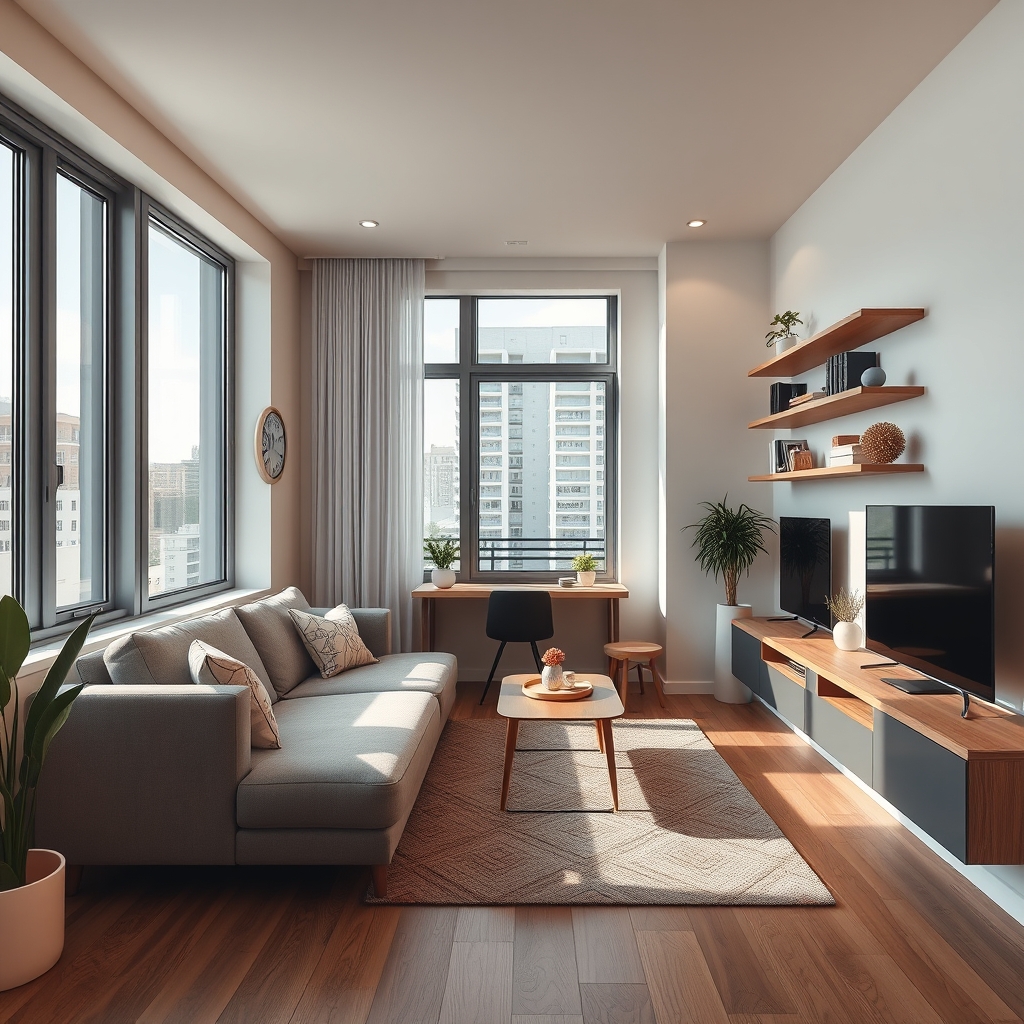
Step-by-step guide: High impact tiny space solutions
-
Map your core routines and ‘zones’
Start by listing your daily activities—where you work, sleep, relax, and eat. These activities should dictate how you zone your room, using modular furniture that shifts between “day” and “guest” mode. -
Prioritize vertical space and underused areas
Maximize wall height with tall shelving, floating bookcases, and overhead kitchen rails. under-bed storage bins and pull-out drawers can double your hidden capacity. For more on rental-friendly options, check out these renovation tips. -
Invest in multi-functional, fold-down furniture with proven durability
Look for Murphy beds, drop-leaf tables, or convertible desks with strong hinges, high weight ratings, and strong warranties. For example:- IKEA BRIMNES Daybed: Transforms from sofa to guest bed, with deep storage drawers below.
- FLOYD Platform Bed: Modular, real wood, tool-free assembly—works with rolling under-bed storage.
- Resource Furniture Tango Murphy Bed: Integrated sofa and queen bed; high quality steel mechanism rated for daily use.
- Burrow Range 2-Seat Sofa: Modular sectional that can be reconfigured, extended, or used to zone off work space.
- Poppin Stow File Cabinet: Compact, lockable, and doubles as a nightstand.
- Room & Board Danish Console Desk: Console table that quietly flips into a full workstation.
-
Implement smart adaptive storage
Use modular shelves or closet inserts that can be re-zoned each season. Add sensor labels or simple app-tracked bins for out-of-season items, and set a monthly calendar alert to rotate and purge what you do not use. -
Don’t overlook hidden modular partitions
Sliding panels, retractable bookcases, or room dividers on wheels can quickly create private workspaces or sleeping nooks when needed—crucial for socializing or sharing a small studio with guests. -
Layer for climate and thermal comfort
Choose materials like wool, cork, or layered textiles that improve insulation without taking up precious space. Avoid bulky space heaters—rather, use thermal curtains, layered rugs, and breathable storage baskets to keep things healthy and climate-responsive.

Layout Recipes: Simple Studio Blueprints
- Sleep/Work: Murphy bed against main wall; floating shelf over it; compact desk folds out perpendicular with wheeled storage below; storage ottoman for extra seating/blankets.
- Entertain/Guest: Sleeper sofa facing modular wall shelf and drop-leaf dining table; stackable stools nested under table; mobile partition between sofa and “bed” zone for quick privacy.
- Daily Living: Console table by entry (doubles as desk); tall bookcase zones area for wardrobe; slim rolling cart plus overhead kitchen rails keep essentials at reach but out of the way.
Quick Storage Hacks
- Over-door organizers hold shoes, cleaning supplies, small items.
- Entryway “command center” with hooks, shelf for keys, and slim shoe rack.
- Closet re-org: Keep only current season’s wardrobe in your main closet – store the rest in rotating under-bed bins or above-cabinet baskets.
Budget-Friendly Product Picks
- Honey-Can-Do Rolling Under-Bed Cart: Affordable steel cart that slides under beds with 10 cm+ ground clearance.
- Walmart 3-Tier Slim Cart: $30 solution for kitchen or bath gaps under 20 cm wide.
- West Elm Ladder Shelf: Wide vertical storage that takes up minimal floor space.
Looking for more budget ideas? Explore our Rental Friendly Renovation Guide for renter-safe upgrades.
Advanced analysis and common pitfalls
Transitioning to high-efficiency tiny space solutions offers a major lifestyle upgrade, but many fall into predictable traps. Here’s a breakdown of the biggest problems—and how to beat them.
| Mistake/Pitfall | Consequence | Solution |
|---|---|---|
| Buying single-function, cheap furniture | Clutter builds; costs add up; pieces often break within months | Prioritize modular, multi-functional items with strong warranties and proven durability |
| Failing to zone spaces | No privacy for guests or work; rooms feel chaotic and unusable | Install movable partitions, shelving-as-dividers, or curtain tracks |
| Ignoring vertical and overhead space | Missing out on 30%+ of potential storage | Add wall-mounted units, above-door shelves, and tall cabinets |
| Not planning for guest mode | Costs for outside guest stay; can’t host friends/family at home | Invest in convertible seating/sofa bed and foldable dining |
| Skipping climate-appropriate materials | Humidity, overheating or cold, fabric/mildew issues | Use breathable baskets, layered curtains, seasonally swap bedding/rugs |
Durability: The Biggest Regret
Frustration with fold-down or convertible furniture is common: many products lose strength after a few months of use, as articulated in several market studies. The fix: always check the manufacturer’s load ratings, warranty policy, and real-world daily use reviews. For details, see this industry analysis.
Hidden Costs of Poor Storage
According to a leading survey, “More than a fifth (21 percent) of Americans currently use self-storage, with 40 percent citing not enough space at home as their main reason.” Sloppy in-house storage systems don’t just eat up space—they can drain your budget with recurring off-site fees.
Maintenance that Matters
- Regularly retighten furniture bolts and wall mounts—especially for fold-down tables, Murphy beds, and modular shelving.
- Check for mold/moisture buildup under beds and in closed bins. Use ventilated materials when possible.
- If in doubt, rent a durable, premium modular item to test before buying—this can prevent costly regret purchases.
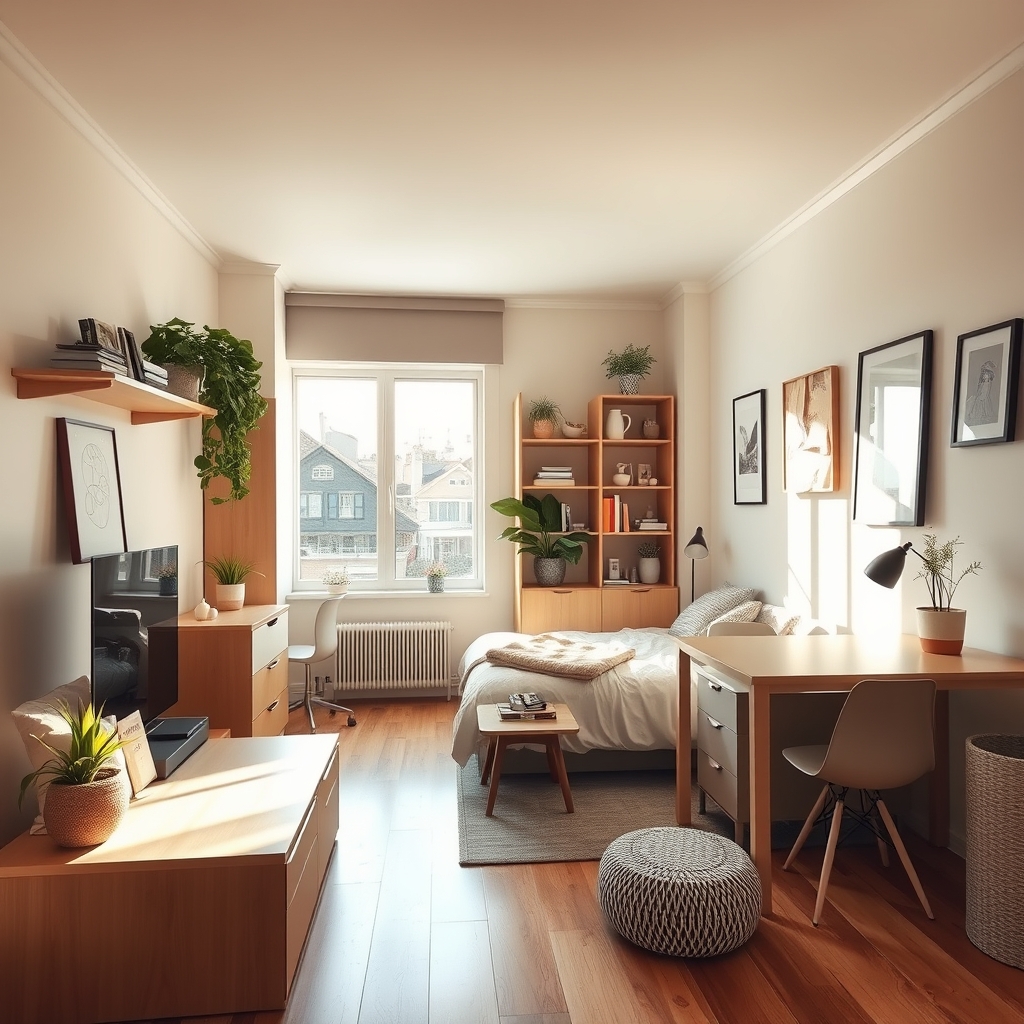
Conclusion
Tiny space solutions today are pragmatic, high-impact, and focused on real daily routines. Quality, multi-functional furniture, adaptive storage, and modular room zoning make it possible to work, relax, and host—even in apartments under 30 square meters. Avoid common pitfalls: choose durable mechanisms, maximize overlooked vertical areas, and always plan with both “daily” and “guest” mode in mind. Start implementing these tiny space solutions in your own apartment this week and see how your small home transforms from a source of stress into a flexible, liveable urban launchpad.
Need more ideas? Check out the Rental Friendly Renovation Guide for actionable upgrades you can implement without risking your security deposit.
Now is the perfect time to future-proof your home: pick one new tiny space solution from this checklist and set it up within the next 7 days.
FAQ
What is the first step in organizing a tiny apartment?
Start by mapping your daily routines and “zones”—decide where you will sleep, work, eat, and relax. Invest in mobile, modular furniture that adapts for different uses and times of day.
How can I increase storage space in my studio apartment fast?
Maximize vertical storage with tall shelving, use rolling under-bed bins, and add over-door organizers. These simple small apartment storage hacks can add up to 30% more capacity without major renovations.
Are fold down furniture pieces really worth it?
Only if you choose models with proven, long-lasting hinges and steel support frames. Avoid budget-only pieces. Always check warranty terms and weight ratings before buying to prevent later frustration.
Can I create private zones in a small apartment without building walls?
Yes. Sliding screens, bookcase partitions, or curtain tracks are renter-friendly ways to create dynamic zones for sleeping, working, or hosting guests.
What do I do if I still run out of space?
Rotate infrequently used belongings into off-site storage during busy seasons, but focus first on improving in-home storage efficiency. If needed, leverage local co-living or storage services—sometimes that’s the most cost-effective option long-term.