

### Blog Post:
Rewilding Garden projects are surging as suburban homeowners seek practical ways to boost biodiversity, ditch time-consuming lawn care, and transform plain grass into low-maintenance wildlife havens. If you’ve been frustrated by conventional yard upkeep, worried about soil or neighbor issues, or simply want more birds and pollinators in your space, read on—this guide gives step-by-step, realistic advice for rewilding success.
Key Takeaways
- Start small with a 5-by-5-foot patch; rewilding can scale as you get comfortable and see biodiversity gains.
- Simple tactics—like “No-Mow May,” hardy native groundcovers, and avoiding fertilizers—transform lawns with less effort and fewer inputs.
- Defined edges, signage, and citizen science help manage neighbor concerns and build community support for your rewilding garden.
- Why Rewilding Your Garden Matters
- Step-by-Step: How to Start and Scale Your Rewilding Garden
- Advanced Analysis & Common Pitfalls
- Conclusion
- FAQs
Why Rewilding Your Garden Matters (Quick Evidence Snapshot)
Converting a manicured lawn into wildlife habitat isn’t just good for bees and butterflies—it’s proven to make a big difference for both nature and homeowners. A 2024 meta-analysis showed that adding native-plant or wildflower patches can increase pollinator abundance and the diversity of species visiting your yard (source). Suburban rewilding gardens have documented the comeback of deer, foxes, coyotes, songbirds, monarch butterflies, and native bees within just a few years. You don’t need acres—starting small yields measurable results that build over time.
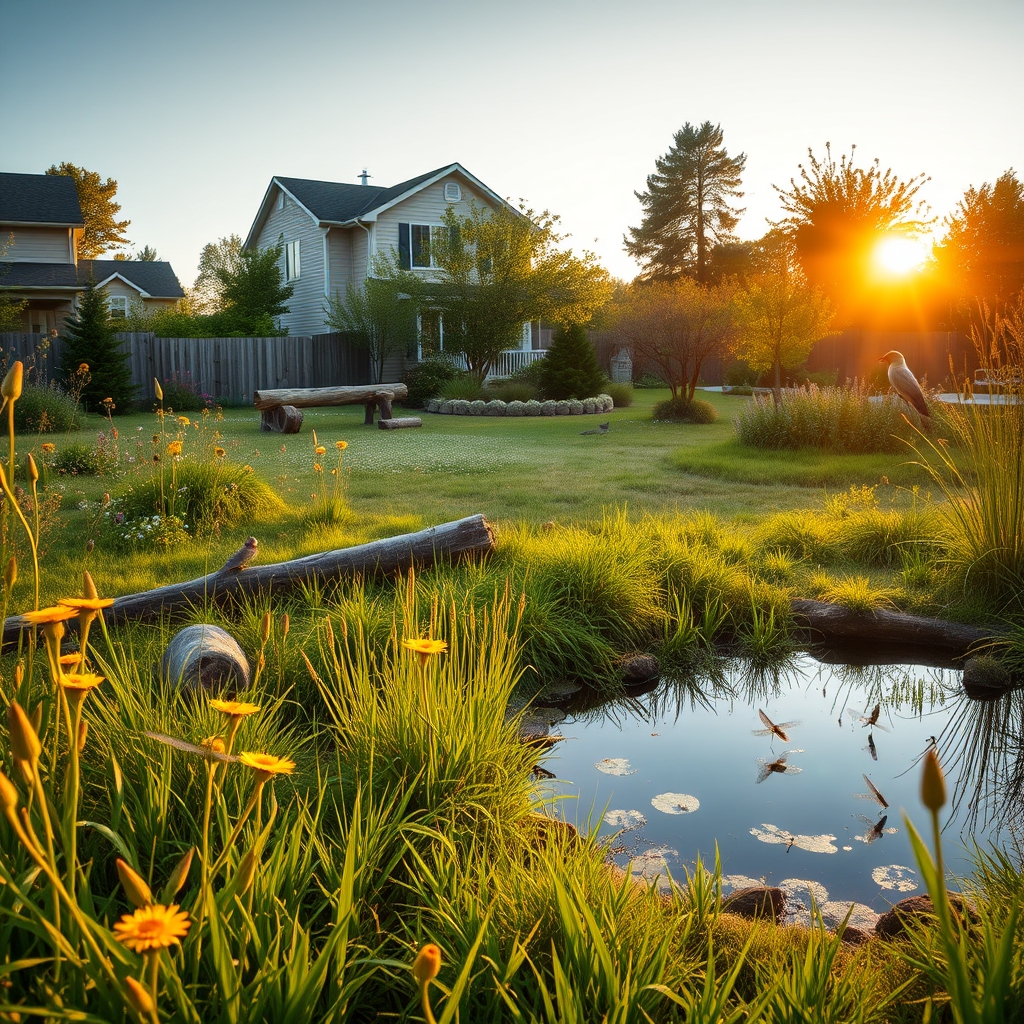
Aside from visible wildlife, studies link garden rewilding with improved mental wellbeing, reduced stress, and a greater sense of connection to your local environment (see research). Even if you choose a tiny patch, your backyard becomes a vital part of a wider ecological network.
Step-by-Step: How to Start and Scale Your Rewilding Garden
Ready to rewild your yard? Here’s a month-by-month guide grounded in science and real homeowner experiences.
- Pick a starter patch. Choose a sunny (ideally six+ hours) 5-by-5-foot section of lawn. Mark edges with rope or hose. This lets you experiment with minimal risk and keeps things neat—key if you’re worried about neighbor reactions.
For additional yard transformation ideas, read our guide on yard personality-boosters. - Soil triage and prep. Test basic drainage: soak an area, check for pooling. If water stands for hours (heavy clay or compaction), use a garden fork to aerate. If your soil is stripped or sandy, mix in a one-inch layer of compost to kickstart soil life. Skip fertilizer and pesticides entirely: this saves time, money, and boosts fungi/microbe health (details here).
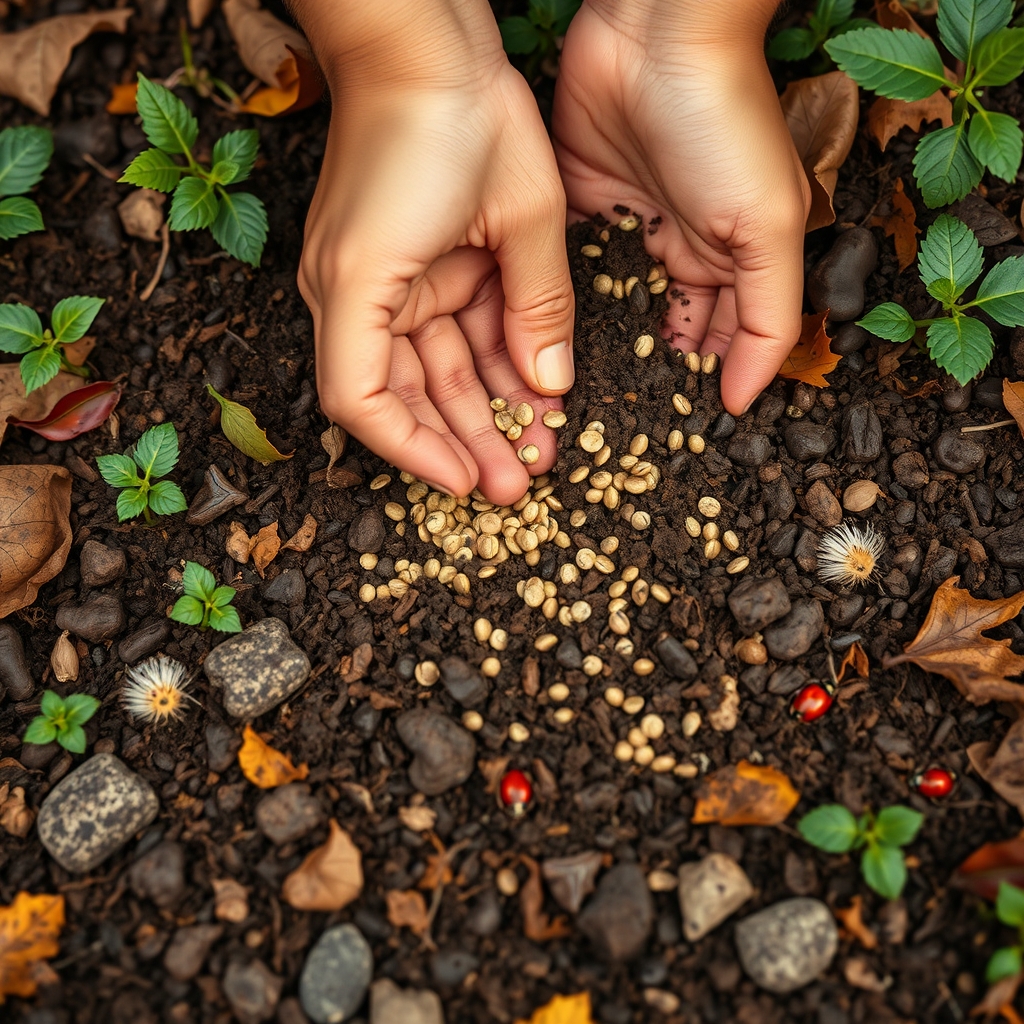
- Planting and seeding. Broadcast a mix of native wildflower seed and low-growth native grasses. Include a nitrogen-fixing legume—white clover, lupine, or vetch—to improve soil structure and fertility without added chemicals. For patchy shade, add woodland natives or resilient groundcovers. Water lightly after seeding, then let rainfall do the work.
- Smart maintenance. “No-Mow May” lets plants set seed, brings in pollinators, and interrupts weed cycles. After that, mow or scythe your “rewilded” area only 1–2 times per season (or as needed to keep things under control). Remove invasive species by hand; all else can stay—leaving dandelions, nettles, and plantain provides vital nectar and larval food.
For no-stress mower options, see our review on robotic lawn mowers for small yards. - Scale up when ready. As you see wildlife arrive, boost your habitat each season by expanding beds, adding log or stone piles for insects, installing a small rain-garden (dig a shallow depression, lay a liner, add native aquatic plants), or setting up pathways and border edges for a manicured look. Share your results with neighbors or join a local “wild garden” map for community support.
Low-Maintenance Ideas Most Guides Miss
- Hardy native groundcovers: Use white clover, creeping thyme, or low-growth native grasses to keep green cover, fix nitrogen, and dodge frequent mowing. These provide pollinator food and suppress weeds.
- Retain “weeds” strategically: Dandelion, nettle, and broadleaf plantain are not just weeds—they’re critical for pollinators and butterfly larvae. Hand-pull only invasives if space is limited.
- Quick habitat features: Small log or stone piles attract ground beetles, pollinators, and even hedgehogs. Sticks and branches stacked in a corner work wonders. Simple insect hotels can be bought or made from bamboo canes.
- Seed-ball kits: These are cheap and ideal for shaded or tough soil spots—just toss and wait for blooms.
- Mini water feature: Line a shallow hole with a Mini water feature, add native aquatic plants, and you’ve created dragonfly, frog, and bird habitat in an afternoon with little ongoing maintenance. Need inspiration? See our cold plunge and pond ideas.
Soil & Plant Matching: Keep It Simple
Not sure what grows in your patch? After your trial, note which volunteers thrive, then pick similar native seed mixes next time. For poor or compacted soil, a combination of deep-rooted natives and clover works in most climates, regenerating organic content each year.
Managing Looks and Neighborhood Relations
- Add a mown edge or narrow path around your patch to show intent.
- Install a small sign (“Wildlife Habitat Area” or “Pollinator Patch”).
- Talk to neighbors about birds or butterflies you observe, or mention your participation in citizen biodiversity counts
(details here).
Starter Tools, Suppliers, and Low-Cost Plant List
- Basic tools: Hand trowel, garden fork, rake, small scythe (optional), bucket for compost.
- Natives and groundcovers (climate-neutral choices):
- White clover (Trifolium repens)
- Creeping thyme (Thymus serpyllum)
- Low fescue grass (Festuca rubra)
- Wild lupine (Lupinus perennis)
- Native yarrow (Achillea millefolium)
- Milkweed (Asclepias spp.)
- Bachelor’s button (Centaurea cyanus)
- “Leave-alones”: dandelion, plantain, nettles
- Buy seed mixes or plugs from local native nurseries, nature centers, or vetted online sources for your region. Many organizations offer discounted kits for homeowners starting wildflower gardens.
Monitoring Success & Staying Motivated
- Keep a notebook or take weekly photos of your patch. Note wildlife, new flowers, or anything unusual.
- Join projects like the Big Butterfly Count or Big Garden Birdwatch to measure real impact.
- Compare your progress with national surveys shared on rewilding networks.
Advanced Analysis & Common Pitfalls
Rewilding a suburban garden isn’t risk-free or instant—it takes patience, communication, and small adjustments as you go. Here’s what trips up most beginners—and what to do.
| Challenge | What to Expect | Workaround |
|---|---|---|
| Compacted soil from previous lawns/builders | Poor drainage; patchy growth in early months | Aerate with fork, mulch with clover and compost, go slow on expansion |
| Learning curve on plant selection | Mismatched species may fail in sun/shade spots | Start with climate-adapted seed mixes; observe, then add more of best survivors |
| Neighbor pushback on “messy” look | Negative comments, complaints to HOA or city | Keep tidy borders, signage, visible paths; communicate your project’s goals up front |
| Slow visual reward | Looks sparsely planted or weedy year one | Add “quick win” annuals (bachelor’s button, native poppies); patience—meadows mature in three seasons |
| Maintenance overwhelm | Seedling weeds, uncertainty about what to keep | Use ID apps, remove only aggressive invasives, leave most for wildlife |
| Cost vs expectations | Upfront cost for seed/soil; “failed” sections | Buy small, start local, swap with neighbors; expand only with successful species |
Studies show that wildlife, especially birds and butterflies, often return within the first two seasons if you provide even small patches of habitat and stop using chemicals. But the visual “meadow” look matures slowly—expect three years for a full, layered effect (research here).
For more about managing soil constraints in raised beds, see our raised garden bed kit guide. If drought resistance is a concern, check out drought tolerant grass seed solutions for low-maintenance alternatives.
Conclusion
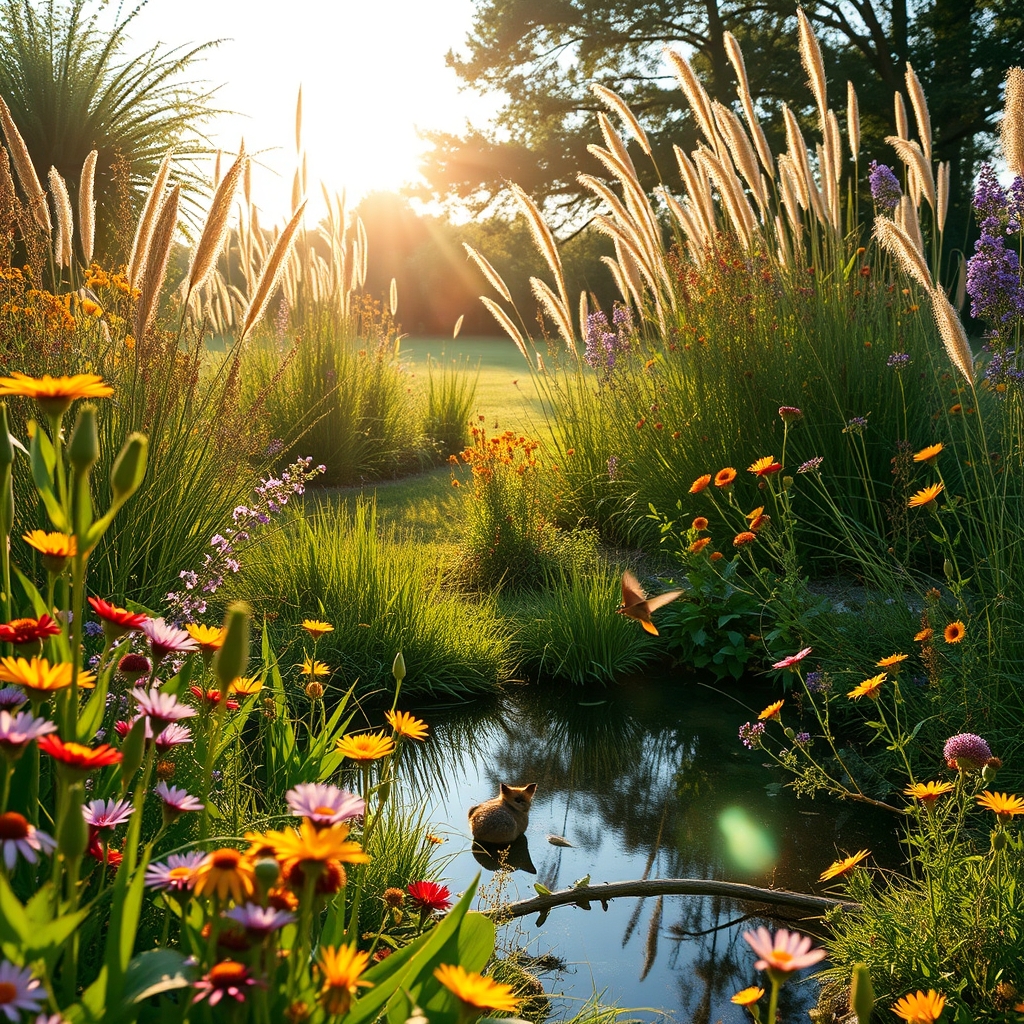
With patience, simple tools, and evidence-based choices, a Rewilding Garden can turn even a single patch of lawn into a magnet for wildlife, while slashing your maintenance hours and transforming how you experience your own yard. The best time to start is now: test a small area, track your progress, and expand as you gain confidence and neighbor interest. You’ll be surprised at the biodiversity gains in just a year or two. Ready to join the rewilding movement? Try your patch, share your results, and help others discover the power of a truly wild backyard.
FAQs
How do I choose native plants if I don’t know my soil or climate?
Start by observing what weeds and wildflowers already appear in your yard—these are clues to your microclimate. Use local nature center lists or ask a native plant nursery for a “starter pack” of resilient species for your region.
Will my rewilding garden look messy or attract complaints?
Not if you use defined edges, mower strips, or install a small wildlife sign. Communication and visual cues help neighbors see your project as intentional, not neglectful.
How long does it take to see real results with wildlife?
Expect insect and bird visitors within a few months, especially if you add water and shelter features. Full “meadow” structure and peak flowering can take up to three years.
Is rewilding cheaper than traditional lawn care?
Usually yes. You save on fertilizer, pesticides, and water bills, and after the initial setup, there’s much less mowing or input needed. Native seeds can be swapped or bought in small packs to keep costs low.
Can I combine rewilding with decorative yard features?
Absolutely. Mown paths, garden gnomes, birdbaths, and even raised beds can be integrated for a more personal, curated look. See our guide to integrating personality into outdoor spaces for ideas.